Home/Ingredients/BCAAs (2:1:1 Leucine ratio)

BCAAs (2:1:1 Leucine ratio)

Intra-workout · muscle preservation

Moderate evidenceVegan153 studies on PubMedRead the research
Written to our editorial standards · reviewed against published research· Updated 30 May 2026
Last reviewed: May 30, 2026

BCAAs: Intra-workout · muscle preservation. Branched-chain amino acids, leucine, isoleucine, valine, that preserve muscle during fasted or long training sessions. Standard dose 7 g, taken in the pre-workout, about $28/month. Evidence rating: moderate evidence.

Where to buy

Scivation Xtend BCAA Unflavored
Recommended
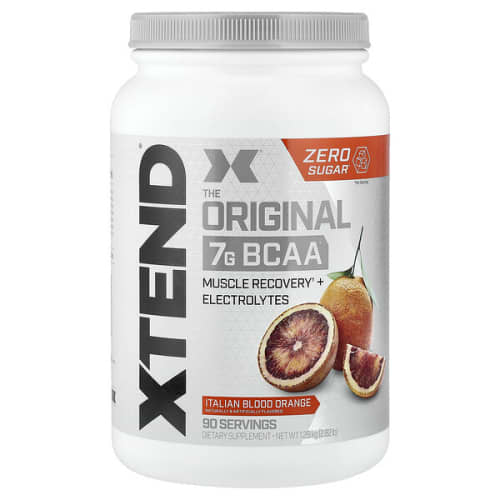
Scivation Xtend, BCAAs
7 g · Pre-workout · ~$28/month

suppdoc.io is an affiliate. Links may earn us a commission at no extra cost to you.

All product options
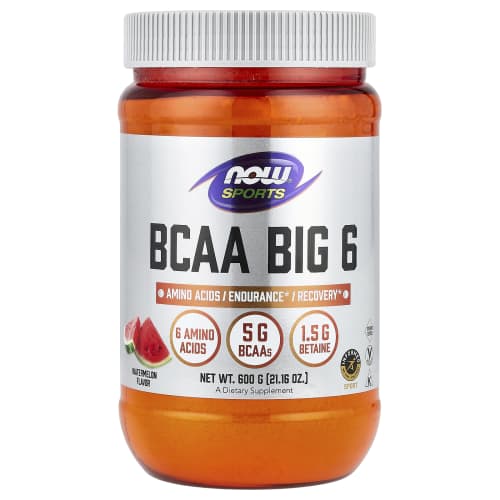
Scivation Xtend BCAA UnflavoredBestseller
Xtend BCAA Unflavored
Scivation
400 g · $32 · ★ 4.7
Buy on iHerb →Buy on Amazon →
NOW Foods Sports BCAABestseller
Sports BCAA
NOW Foods
240 capsules · $20 · ★ 4.6
Buy on iHerb →
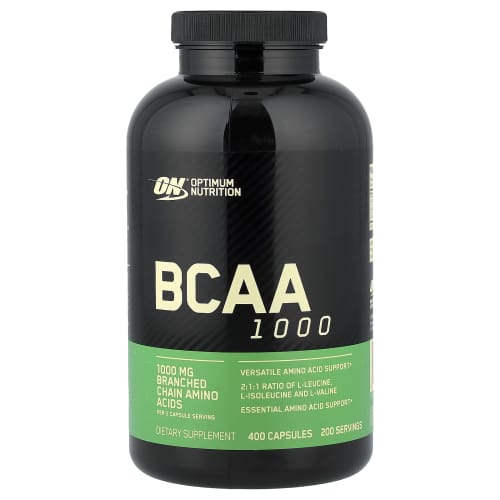
Optimum Nutrition BCAA 1000Best Value
BCAA 1000
Optimum Nutrition
400 capsules · $30 · ★ 4.7
Buy on iHerb →
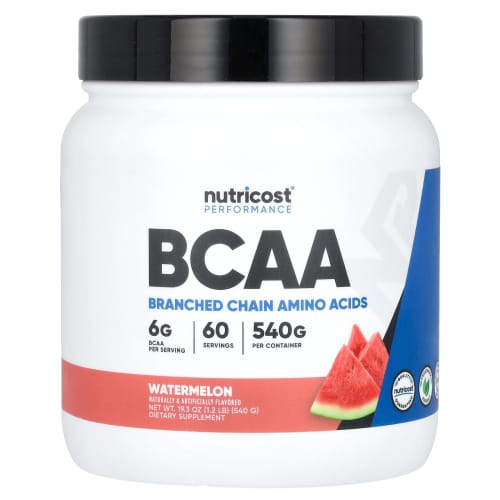
Nutricost BCAA PowderPremium
BCAA Powder
Nutricost
90 servings · $20 · ★ 4.6
Buy on iHerb →
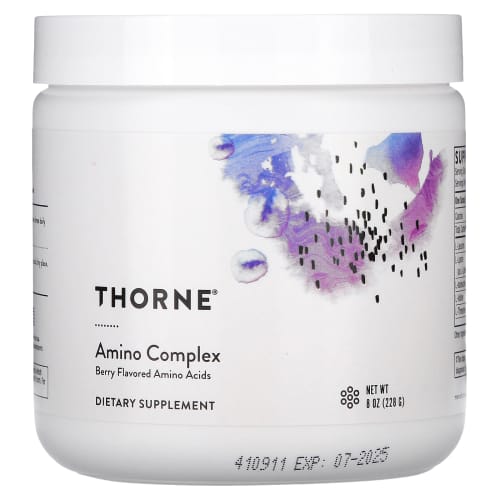
Thorne Amino ComplexPremium
Amino Complex
Thorne
8 oz powder · $43 · ★ 4.6
Buy on iHerb →

What is BCAAs?

Branched-chain amino acids (BCAAs), leucine, isoleucine, and valine, are three of the nine essential amino acids and the only ones metabolized primarily in skeletal muscle rather than the liver. Leucine is the primary trigger of muscle protein synthesis via the mTOR pathway. BCAA supplementation is most valuable in specific contexts: during fasted training, long endurance sessions, or for individuals struggling to consume adequate total protein. For people already meeting protein targets (around 1.6 g/kg/day), adding whey or a complete protein source is generally more effective than isolated BCAAs. The standard 2:1:1 leucine ratio at 5-10 g per serving is the most-studied dose.

Branched-chain amino acids, leucine, isoleucine, valine, that preserve muscle during fasted or long training sessions.

Natural food sources

Where possible, get BCAAs from whole foods first. Common dietary sources include:

Chicken & beefEggsWhey & dairySoybeansLentils

Best for your goal

Interactions

Other performance & recovery

Creatine Monohydrate
Strength · cognition · recovery
Beetroot Powder
Nitric oxide · circulation · endurance
L-Citrulline Malate
Pumps · endurance · recovery
Beta-Alanine (CarnoSyn)
Muscular endurance · anaerobic capacity

Common questions

What is BCAAs?
Branched-chain amino acids (BCAAs), leucine, isoleucine, and valine, are three of the nine essential amino acids and the only ones metabolized primarily in skeletal muscle rather than the liver. Leucine is the primary trigger of muscle protein synthesis via the mTOR pathway. BCAA supplementation is most valuable in specific contexts: during fasted training, long endurance sessions, or for individuals struggling to consume adequate total protein. For people already meeting protein targets (around 1.6 g/kg/day), adding whey or a complete protein source is generally more effective than isolated BCAAs. The standard 2:1:1 leucine ratio at 5-10 g per serving is the most-studied dose.
What is BCAAs used for?
Intra-workout · muscle preservation. Branched-chain amino acids, leucine, isoleucine, valine, that preserve muscle during fasted or long training sessions.
What is the standard dose of BCAAs?
7 g, typically taken in the pre-workout. Approximate cost is $28 per month.
How strong is the evidence for BCAAs?
Moderate evidence for its primary uses. See the full study list on the research page.

Not sure if BCAAs is right for you?

Take our quiz. We'll compose a personalised stack that fits your goals, body, and budget, in minutes.

Take the quiz →