Home/Ingredients/DHA (Prenatal-Grade)
OMEGA & ESSENTIAL FATS

DHA (Prenatal-Grade)

Fetal brain · pregnancy · postpartum

VERY STRONG EVIDENCEREAD THE RESEARCH
Written to our editorial standards · reviewed against published research· Updated 2 Jun 2026
Last reviewed: May 30, 2026
QUICK ANSWER

DHA: Fetal brain · pregnancy · postpartum. Pregnancy increases DHA demand significantly. Adequate maternal DHA is critical for fetal brain development and reduces postpartum mood disorders. Standard dose 480 mg DHA, taken in the morning, about $38/month. Evidence rating: very strong evidence.

What is DHA?

Docosahexaenoic acid (DHA) is the structural omega-3 fatty acid that makes up roughly 25% of the dry weight of the brain and retina. During the third trimester of pregnancy and the first two years of life, the developing infant brain accumulates DHA at an unprecedented rate, sourced almost entirely from the mother. Inadequate maternal DHA status is associated with reduced visual acuity in the infant, lower cognitive scores, and increased risk of postpartum mood disorders in the mother. The American College of Obstetricians and Gynecologists recommends at least 200-300 mg of DHA per day during pregnancy and lactation. Prenatal-grade DHA is tested for ultra-low mercury and PCBs.

WHY IT MATTERS

Pregnancy increases DHA demand significantly. Adequate maternal DHA is critical for fetal brain development and reduces postpartum mood disorders.

Natural food sources

Where possible, get DHA from whole foods first. Common dietary sources include:

SalmonSardinesMackerelAnchoviesAlgal oil

Where to buy

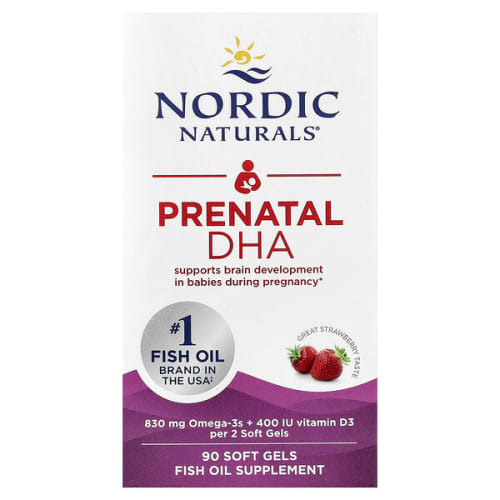
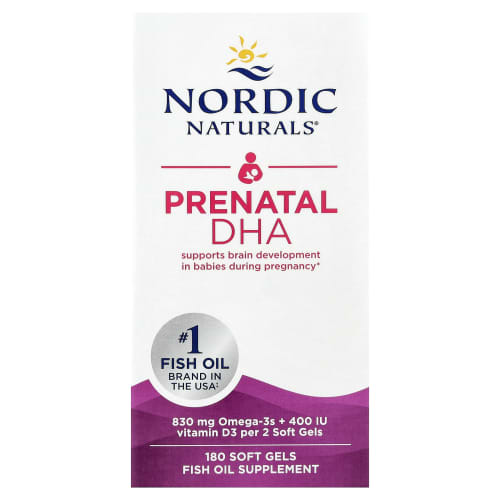
Nordic Naturals Prenatal DHA 500mg
RECOMMENDED
Nordic Naturals, DHA
480 mg DHA · Morning · ~$38/month

suppdoc.io is an affiliate. Links may earn us a commission at no extra cost to you.

Best for your goal

Other omega & essential fats

Omega-3 Fish Oil (Triglyceride)
Heart · brain · inflammation
Algae Omega-3 EPA/DHA
Heart · brain · inflammation (vegan)
Evening Primrose Oil
Skin · PMS · hormonal balance

Common questions

What is DHA?
Docosahexaenoic acid (DHA) is the structural omega-3 fatty acid that makes up roughly 25% of the dry weight of the brain and retina. During the third trimester of pregnancy and the first two years of life, the developing infant brain accumulates DHA at an unprecedented rate, sourced almost entirely from the mother. Inadequate maternal DHA status is associated with reduced visual acuity in the infant, lower cognitive scores, and increased risk of postpartum mood disorders in the mother. The American College of Obstetricians and Gynecologists recommends at least 200-300 mg of DHA per day during pregnancy and lactation. Prenatal-grade DHA is tested for ultra-low mercury and PCBs.
What is DHA used for?
Fetal brain · pregnancy · postpartum. Pregnancy increases DHA demand significantly. Adequate maternal DHA is critical for fetal brain development and reduces postpartum mood disorders.
What is the standard dose of DHA?
480 mg DHA, typically taken in the morning. Approximate cost is $38 per month.
How strong is the evidence for DHA?
Very strong evidence for its primary uses. See the full study list on the research page.

Not sure if DHA is right for you?

Take our quiz. We'll compose a personalised stack that fits your goals, body, and budget, in minutes.

Take the quiz →