Home/Ingredients/N-Acetyl Cysteine (NAC)

N-Acetyl Cysteine (NAC)

Liver · antioxidant · respiratory

Strong evidenceVegan139 studies on PubMedRead the research
Written to our editorial standards · reviewed against published research· Updated 30 May 2026
Last reviewed: May 30, 2026

N-Acetyl Cysteine: Liver · antioxidant · respiratory. Precursor to glutathione, the body's master antioxidant. Supports liver detox, lung function, and recovery from oxidative stress. Standard dose 600 mg, taken in the morning, about $14/month. Evidence rating: strong evidence.

Where to buy

NOW Foods NAC 600mg
Recommended
NOW Foods, N-Acetyl Cysteine
600 mg · Morning · ~$14/month

suppdoc.io is an affiliate. Links may earn us a commission at no extra cost to you.

All product options
NOW Foods NAC 600mgBestseller
NAC 600mg
NOW Foods
100 veg capsules · $13 · ★ 4.8
Buy on iHerb →Buy on Amazon →
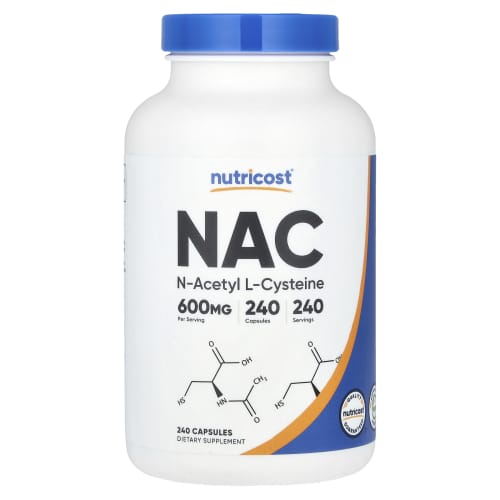
Nutricost NAC 600 mgBest Value
NAC 600 mg
Nutricost
180 caps · $18 · ★ 4.5
Buy on iHerb →
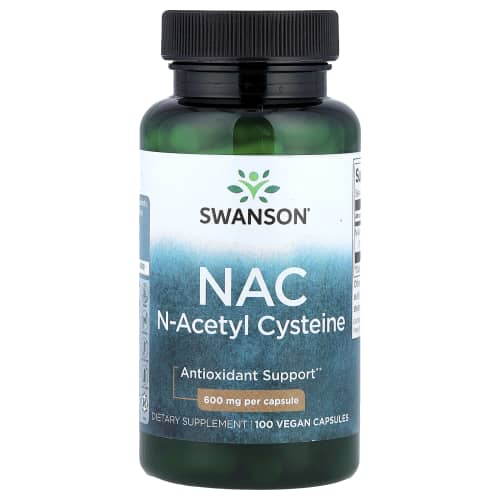
Swanson NAC 600 mgPremium
NAC 600 mg
Swanson
180 caps · $15 · ★ 4.5
Buy on iHerb →
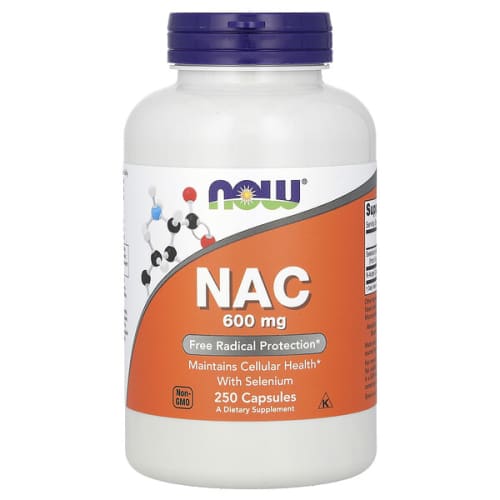
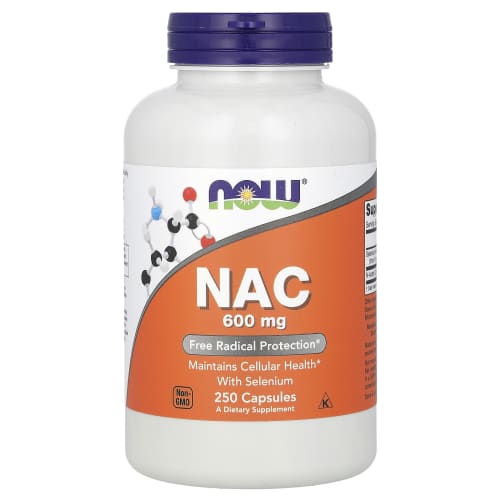
NOW Foods NAC 600 mgBest Value
NAC 600 mg
NOW Foods
250 veg capsules · $22 · ★ 4.8
Buy on iHerb →
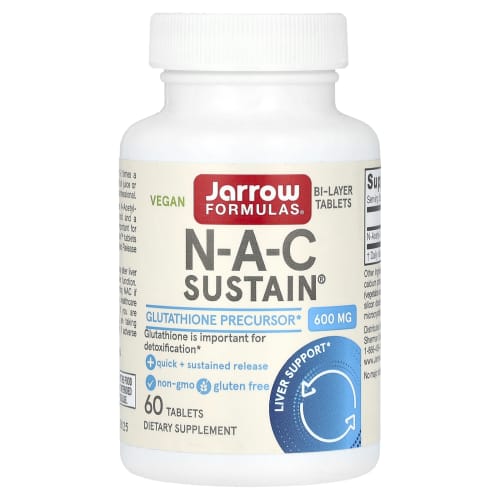
Jarrow Formulas NAC Sustain 600 mgPremium
NAC Sustain 600 mg
Jarrow Formulas
100 tablets · $18 · ★ 4.7
Buy on iHerb →

What is N-Acetyl Cysteine?

N-Acetyl Cysteine (NAC) is a stable, bioavailable form of the amino acid cysteine and the most-studied precursor to glutathione, the body's master antioxidant. By supporting glutathione production, NAC plays a central role in liver detoxification, lung mucus regulation, and protection against oxidative stress. With decades of clinical safety data, it is used by emergency departments to treat acetaminophen overdose. Daily supplementation may support respiratory health during cold and flu season, reduce oxidative damage from intense exercise, and help the liver process alcohol or environmental toxins. Most adults take 600-1,200 mg per day, ideally on an empty stomach.

Precursor to glutathione, the body's master antioxidant. Supports liver detox, lung function, and recovery from oxidative stress.

Natural food sources

Where possible, get N-Acetyl Cysteine from whole foods first. Common dietary sources include:

Chicken & turkeyEggsYogurtGarlic & onionsLegumes

Best for your goal

Interactions

Other amino acids

L-Theanine (Suntheanine)
Calm focus · stress
Glycine
Sleep depth · core body temperature
Taurine
Heart · sleep · cellular hydration
Acetyl-L-Carnitine (ALCAR)
Brain energy · focus · fat metabolism

Common questions

What is N-Acetyl Cysteine?
N-Acetyl Cysteine (NAC) is a stable, bioavailable form of the amino acid cysteine and the most-studied precursor to glutathione, the body's master antioxidant. By supporting glutathione production, NAC plays a central role in liver detoxification, lung mucus regulation, and protection against oxidative stress. With decades of clinical safety data, it is used by emergency departments to treat acetaminophen overdose. Daily supplementation may support respiratory health during cold and flu season, reduce oxidative damage from intense exercise, and help the liver process alcohol or environmental toxins. Most adults take 600-1,200 mg per day, ideally on an empty stomach.
What is N-Acetyl Cysteine used for?
Liver · antioxidant · respiratory. Precursor to glutathione, the body's master antioxidant. Supports liver detox, lung function, and recovery from oxidative stress.
What is the standard dose of N-Acetyl Cysteine?
600 mg, typically taken in the morning. Approximate cost is $14 per month.
Who should avoid N-Acetyl Cysteine?
Use extra caution, and speak to a clinician first, if you are pregnant or nursing.
How strong is the evidence for N-Acetyl Cysteine?
Strong evidence for its primary uses. See the full study list on the research page.

Not sure if N-Acetyl Cysteine is right for you?

Take our quiz. We'll compose a personalised stack that fits your goals, body, and budget, in minutes.

Take the quiz →