Home/Ingredients/Taurine
AMINO ACIDS

Taurine

Heart · sleep · cellular hydration

STRONG EVIDENCEVEGANREAD THE RESEARCH
Written to our editorial standards · reviewed against published research· Updated 2 Jun 2026
Last reviewed: May 30, 2026
QUICK ANSWER

Taurine: Heart · sleep · cellular hydration. Conditionally-essential amino acid that supports cardiovascular function, electrical signaling in muscles, and neurological calm. Standard dose 2000 mg, taken in the evening, about $12/month. Evidence rating: strong evidence.

What is Taurine?

Taurine is one of the most abundant amino acids in the human body, concentrated in the heart, brain, and skeletal muscle. Although the body produces small amounts, supplementation is increasingly studied for its role in cardiovascular health, blood pressure regulation, and mitochondrial function. A landmark 2023 Columbia University study linked taurine deficiency to accelerated aging in mice and primates. In humans, supplementation may improve exercise performance, support healthy lipid profiles, and modestly improve sleep quality through GABA receptor modulation. Common doses range from 1,000 to 3,000 mg daily, often taken in the evening to support relaxation.

WHY IT MATTERS

Conditionally-essential amino acid that supports cardiovascular function, electrical signaling in muscles, and neurological calm.

Natural food sources

Where possible, get Taurine from whole foods first. Common dietary sources include:

ShellfishBeefDark poultry meatFish

Where to buy

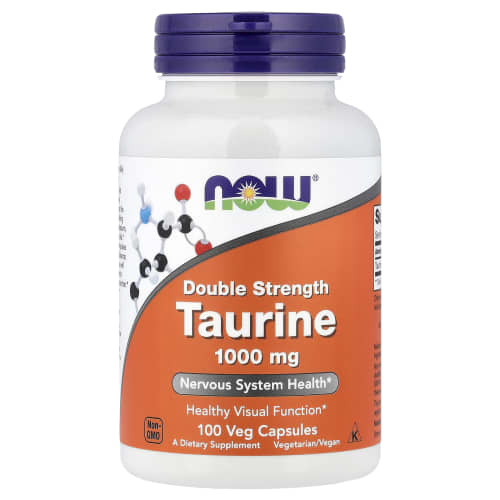
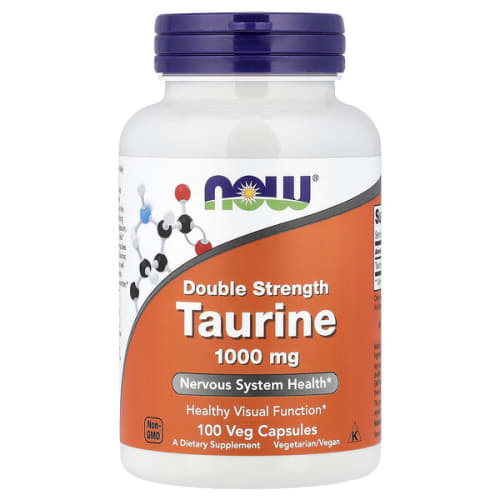
NOW Foods Taurine 1000mg
RECOMMENDED
NOW Foods, Taurine
2000 mg · Evening · ~$12/month

suppdoc.io is an affiliate. Links may earn us a commission at no extra cost to you.

Best for your goal

Interactions

Other amino acids

L-Theanine (Suntheanine)
Calm focus · stress
Glycine
Sleep depth · core body temperature
N-Acetyl Cysteine (NAC)
Liver · antioxidant · respiratory
Acetyl-L-Carnitine (ALCAR)
Brain energy · focus · fat metabolism

Common questions

What is Taurine?
Taurine is one of the most abundant amino acids in the human body, concentrated in the heart, brain, and skeletal muscle. Although the body produces small amounts, supplementation is increasingly studied for its role in cardiovascular health, blood pressure regulation, and mitochondrial function. A landmark 2023 Columbia University study linked taurine deficiency to accelerated aging in mice and primates. In humans, supplementation may improve exercise performance, support healthy lipid profiles, and modestly improve sleep quality through GABA receptor modulation. Common doses range from 1,000 to 3,000 mg daily, often taken in the evening to support relaxation.
What is Taurine used for?
Heart · sleep · cellular hydration. Conditionally-essential amino acid that supports cardiovascular function, electrical signaling in muscles, and neurological calm.
What is the standard dose of Taurine?
2000 mg, typically taken in the evening. Approximate cost is $12 per month.
How strong is the evidence for Taurine?
Strong evidence for its primary uses. See the full study list on the research page.

Not sure if Taurine is right for you?

Take our quiz. We'll compose a personalised stack that fits your goals, body, and budget, in minutes.

Take the quiz →