Home/Ingredients/Spirulina (Hawaiian)

Spirulina (Hawaiian)

Whole-food greens · iron · antioxidant

Moderate evidenceVegan151 studies on PubMedRead the research
Written to our editorial standards · reviewed against published research· Updated 30 May 2026
Last reviewed: May 30, 2026

Spirulina: Whole-food greens · iron · antioxidant. Blue-green algae with a remarkable nutrient profile: B vitamins, iron, GLA, and the antioxidant pigment phycocyanin. Standard dose 3 g (6 tablets), taken in the morning, about $18/month. Evidence rating: moderate evidence.

Where to buy

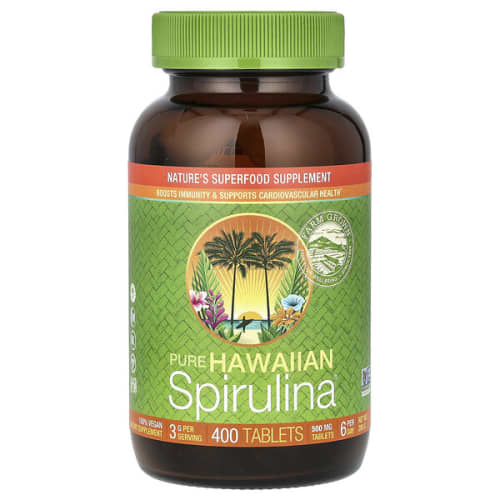
Nutrex Hawaii Spirulina Pacifica 500mg
Recommended
Nutrex, Spirulina
3 g (6 tablets) · Morning · ~$18/month

suppdoc.io is an affiliate. Links may earn us a commission at no extra cost to you.

All product options
Nutrex Hawaii Spirulina Pacifica 500mgBestseller
Spirulina Pacifica 500mg
Nutrex Hawaii
400 tablets · $32 · ★ 4.8
Buy on iHerb →Buy on Amazon →
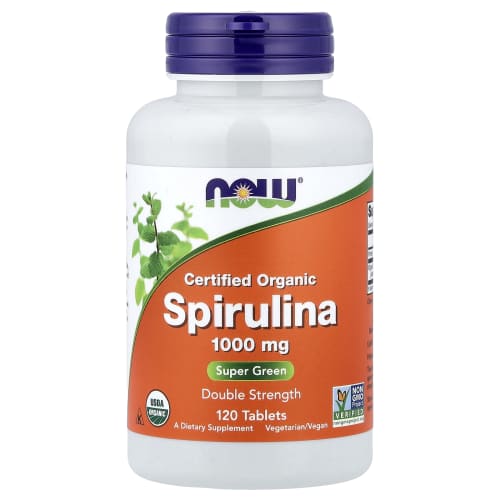
NOW Foods Spirulina 1000 mgBestseller
Spirulina 1000 mg
NOW Foods
120 tablets · $14 · ★ 4.7
Buy on iHerb →
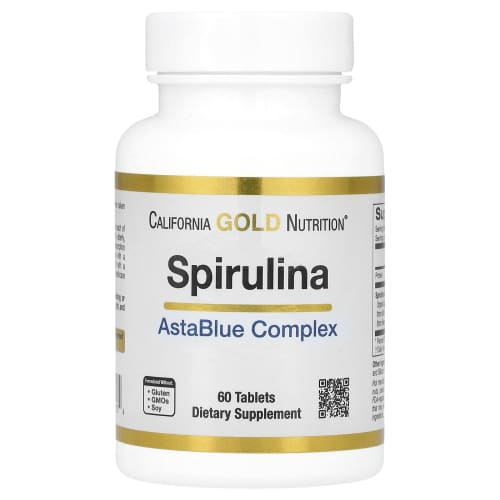
California Gold Nutrition SpirulinaBest Value
Spirulina
California Gold Nutrition
240 tablets · $16 · ★ 4.6
Buy on iHerb →
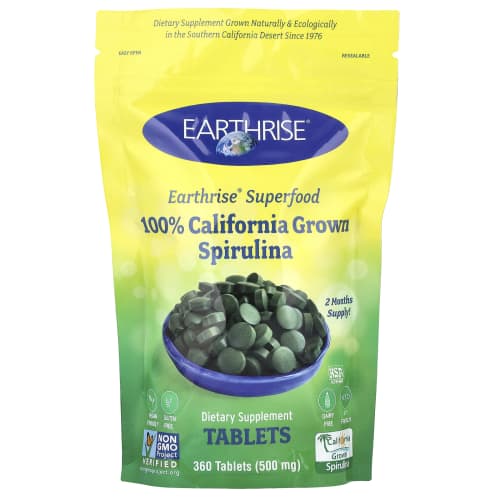
Earthrise Spirulina NaturalPremium
Spirulina Natural
Earthrise
180 tablets · $18 · ★ 4.6
Buy on iHerb →
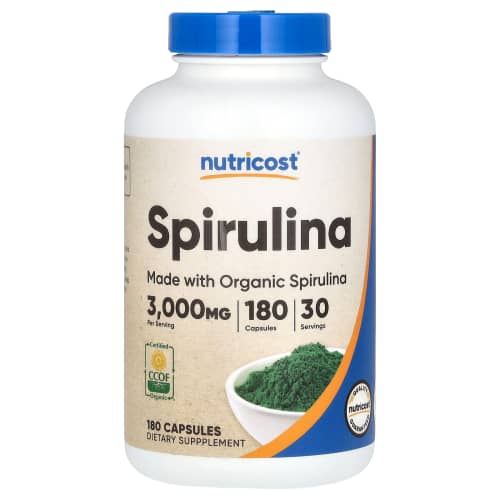
Nutricost SpirulinaPremium
Spirulina
Nutricost
240 capsules · $15 · ★ 4.5
Buy on iHerb →

What is Spirulina?

Spirulina is a blue-green microalga (Arthrospira platensis) that has been consumed as a food since the Aztec civilization. It is one of the most nutrient-dense whole foods known: gram for gram, it provides exceptional levels of plant protein, B vitamins, bioavailable iron, gamma-linolenic acid, and the unique pigment phycocyanin, a potent antioxidant and anti-inflammatory compound. Hawaiian-grown spirulina (Nutrex's Spirulina Pacifica) is widely considered the cleanest source. Clinical studies suggest benefits for blood lipid profiles, iron status in deficient populations, and exercise endurance. Standard doses are 3-10 g daily, taken in tablet form to avoid the strong taste.

Blue-green algae with a remarkable nutrient profile: B vitamins, iron, GLA, and the antioxidant pigment phycocyanin.

Natural food sources

Where possible, get Spirulina from whole foods first. Common dietary sources include:

Spirulina (whole algae)Blue-green algaeGreen smoothie blends

Best for your goal

Interactions

Other whole-food greens

Chlorella (Broken Cell Wall)
Detox binding · greens · iron
Moringa Leaf Powder
Greens · iron · vitamin A · plant nutrition
Sea Moss (Irish Moss)
Trace minerals · iodine · thyroid

Common questions

What is Spirulina?
Spirulina is a blue-green microalga (Arthrospira platensis) that has been consumed as a food since the Aztec civilization. It is one of the most nutrient-dense whole foods known: gram for gram, it provides exceptional levels of plant protein, B vitamins, bioavailable iron, gamma-linolenic acid, and the unique pigment phycocyanin, a potent antioxidant and anti-inflammatory compound. Hawaiian-grown spirulina (Nutrex's Spirulina Pacifica) is widely considered the cleanest source. Clinical studies suggest benefits for blood lipid profiles, iron status in deficient populations, and exercise endurance. Standard doses are 3-10 g daily, taken in tablet form to avoid the strong taste.
What is Spirulina used for?
Whole-food greens · iron · antioxidant. Blue-green algae with a remarkable nutrient profile: B vitamins, iron, GLA, and the antioxidant pigment phycocyanin.
What is the standard dose of Spirulina?
3 g (6 tablets), typically taken in the morning. Approximate cost is $18 per month.
How strong is the evidence for Spirulina?
Moderate evidence for its primary uses. See the full study list on the research page.

Not sure if Spirulina is right for you?

Take our quiz. We'll compose a personalised stack that fits your goals, body, and budget, in minutes.

Take the quiz →