Home/Ingredients/Iodine (Kelp)

Iodine (Kelp)

Thyroid · hormone synthesis

Strong evidenceVegan212 studies on PubMedRead the research
Written to our editorial standards · reviewed against published research· Updated 30 May 2026
Last reviewed: May 30, 2026

Iodine: Thyroid · hormone synthesis. Essential building block of thyroid hormones. Modern diets low in seafood and iodized salt may fall short. Standard dose 150 mcg, taken in the morning, about $8/month. Evidence rating: strong evidence.

Where to buy

Nature's Way Kelp 600mg
Recommended
Nature's Way, Iodine
150 mcg · Morning · ~$8/month

suppdoc.io is an affiliate. Links may earn us a commission at no extra cost to you.

All product options
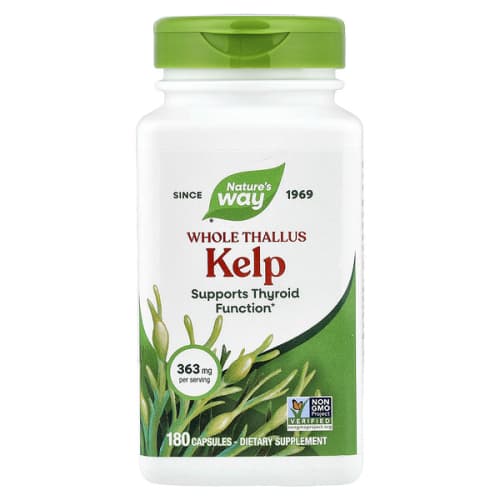
Nature's Way Kelp 600mgBestseller
Kelp 600mg
Nature's Way
180 veg capsules · $9 · ★ 4.7
Buy on iHerb →Buy on Amazon →
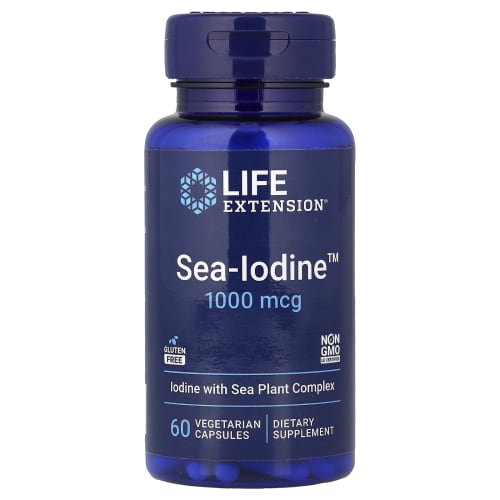
Life Extension Sea-IodineBestseller
Sea-Iodine
Life Extension
60 veg caps · $8 · ★ 4.7
Buy on iHerb →
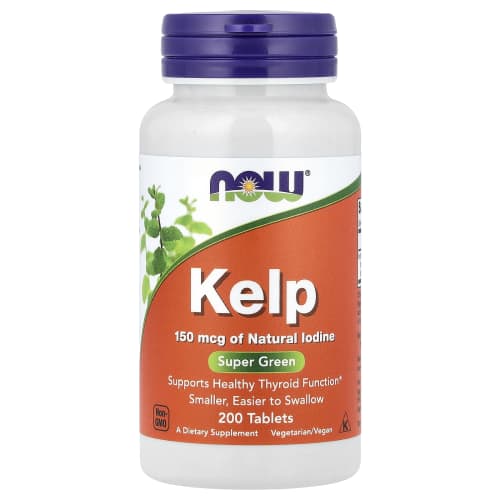
NOW Foods Kelp IodineBest Value
Kelp Iodine
NOW Foods
200 tablets · $8 · ★ 4.6
Buy on iHerb →
Pure Encapsulations Iodine (potassium iodide)Premium
Iodine (potassium iodide)
Pure Encapsulations
120 capsules · $16 · ★ 4.6
Buy on iHerb →
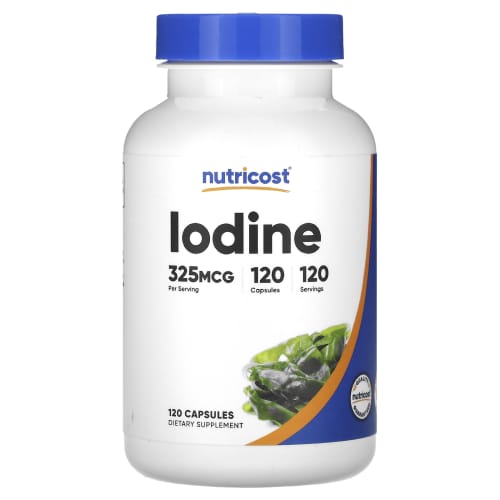
Nutricost IodinePremium
Iodine
Nutricost
240 capsules · $13 · ★ 4.5
Buy on iHerb →

What is Iodine?

Iodine is a trace mineral that the body cannot produce on its own. It is the essential building block of thyroid hormones T3 and T4, which regulate metabolism, body temperature, energy production, and brain development. Modern Western diets, particularly those low in iodized salt, seafood, and dairy, can fall short of the 150 mcg daily recommendation. Mild deficiency may contribute to low energy, sluggish metabolism, and cognitive fog. Kelp-derived iodine is the most common natural form. People with thyroid conditions or on thyroid medication should consult a clinician before supplementing, as both deficiency and excess can disrupt thyroid function.

Essential building block of thyroid hormones. Modern diets low in seafood and iodized salt may fall short.

Natural food sources

Where possible, get Iodine from whole foods first. Common dietary sources include:

Seaweed & kelpCod & fishDairyIodized saltEggs

Best for your goal

Interactions

Related biomarkers

Other minerals

Magnesium Glycinate
Sleep · stress · muscle relaxation
Zinc Picolinate
Immune · hormones · skin
Iron Bisglycinate (Gentle)
Energy · oxygen transport (women)
Magnesium Citrate
Constipation · general magnesium · cramps

Common questions

What is Iodine?
Iodine is a trace mineral that the body cannot produce on its own. It is the essential building block of thyroid hormones T3 and T4, which regulate metabolism, body temperature, energy production, and brain development. Modern Western diets, particularly those low in iodized salt, seafood, and dairy, can fall short of the 150 mcg daily recommendation. Mild deficiency may contribute to low energy, sluggish metabolism, and cognitive fog. Kelp-derived iodine is the most common natural form. People with thyroid conditions or on thyroid medication should consult a clinician before supplementing, as both deficiency and excess can disrupt thyroid function.
What is Iodine used for?
Thyroid · hormone synthesis. Essential building block of thyroid hormones. Modern diets low in seafood and iodized salt may fall short.
What is the standard dose of Iodine?
150 mcg, typically taken in the morning. Approximate cost is $8 per month.
Who should avoid Iodine?
Use extra caution, and speak to a clinician first, if you are thyroid condition, autoimmune condition.
How strong is the evidence for Iodine?
Strong evidence for its primary uses. See the full study list on the research page.

Not sure if Iodine is right for you?

Take our quiz. We'll compose a personalised stack that fits your goals, body, and budget, in minutes.

Take the quiz →