Home/Ingredients/Vitamin A (Retinyl Palmitate)
VITAMINS

Vitamin A (Retinyl Palmitate)

Vision · skin · immune

STRONG EVIDENCEREAD THE RESEARCH
Written to our editorial standards · reviewed against published research· Updated 2 Jun 2026
Last reviewed: May 30, 2026
QUICK ANSWER

Vitamin A: Vision · skin · immune. True retinol vitamin A, critical for night vision, skin cell turnover, and mucosal immune barriers. Standard dose 10,000 IU, taken in the morning, about $9/month. Evidence rating: strong evidence.

What is Vitamin A?

Vitamin A is a fat-soluble vitamin essential for vision, skin cell turnover, mucosal immune barriers, and reproductive health. It exists in two forms: preformed retinol (from animal sources like liver and egg yolk) and pro-vitamin A carotenoids (from plants), which the body converts at variable efficiency. People with certain genetic variants convert beta-carotene poorly, making true retinol supplementation valuable. Vitamin A supports a healthy skin barrier, which is why dermatologists use its derivatives (retinoids) for acne and aging, and is critical for low-light vision. Standard doses are 3,000-10,000 IU per day. Pregnant women should not exceed 10,000 IU due to teratogenic risk at higher doses.

WHY IT MATTERS

True retinol vitamin A, critical for night vision, skin cell turnover, and mucosal immune barriers.

Natural food sources

Where possible, get Vitamin A from whole foods first. Common dietary sources include:

LiverSweet potatoCarrotsSpinachEggs

Where to buy

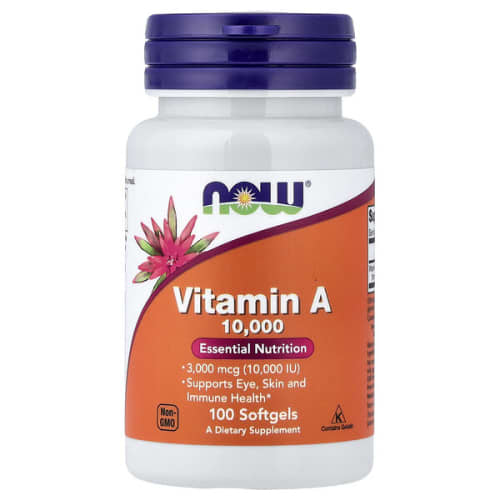
NOW Foods Vitamin A 10,000 IU
RECOMMENDED
NOW Foods, Vitamin A
10,000 IU · Morning · ~$9/month

suppdoc.io is an affiliate. Links may earn us a commission at no extra cost to you.

Best for your goal

Interactions

Other vitamins

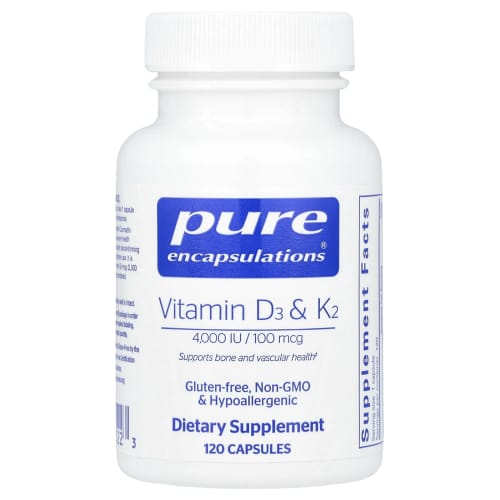
Vitamin D3 + K2
Energy · bone · immune
Whole-food Multivitamin
Baseline nutrition
Methyl-B12
Energy · nerves · cognition
B-Complex
Energy · stress · methylation

Common questions

What is Vitamin A?
Vitamin A is a fat-soluble vitamin essential for vision, skin cell turnover, mucosal immune barriers, and reproductive health. It exists in two forms: preformed retinol (from animal sources like liver and egg yolk) and pro-vitamin A carotenoids (from plants), which the body converts at variable efficiency. People with certain genetic variants convert beta-carotene poorly, making true retinol supplementation valuable. Vitamin A supports a healthy skin barrier, which is why dermatologists use its derivatives (retinoids) for acne and aging, and is critical for low-light vision. Standard doses are 3,000-10,000 IU per day. Pregnant women should not exceed 10,000 IU due to teratogenic risk at higher doses.
What is Vitamin A used for?
Vision · skin · immune. True retinol vitamin A, critical for night vision, skin cell turnover, and mucosal immune barriers.
What is the standard dose of Vitamin A?
10,000 IU, typically taken in the morning. Approximate cost is $9 per month.
Who should avoid Vitamin A?
Use extra caution, and speak to a clinician first, if you are pregnant or nursing.
How strong is the evidence for Vitamin A?
Strong evidence for its primary uses. See the full study list on the research page.

Not sure if Vitamin A is right for you?

Take our quiz. We'll compose a personalised stack that fits your goals, body, and budget, in minutes.

Take the quiz →