Home/Ingredients/DIM (Diindolylmethane)

DIM (Diindolylmethane)

Estrogen metabolism · hormonal balance

Moderate evidenceVegan12 studies on PubMedRead the research
Written to our editorial standards · reviewed against published research· Updated 30 May 2026
Last reviewed: May 30, 2026

DIM: Estrogen metabolism · hormonal balance. Active compound concentrated from cruciferous vegetables. Supports favorable 2:16 ratio of estrogen metabolites, relevant for both women and men. Standard dose 100 mg, taken in the morning, about $26/month. Evidence rating: moderate evidence.

Where to buy

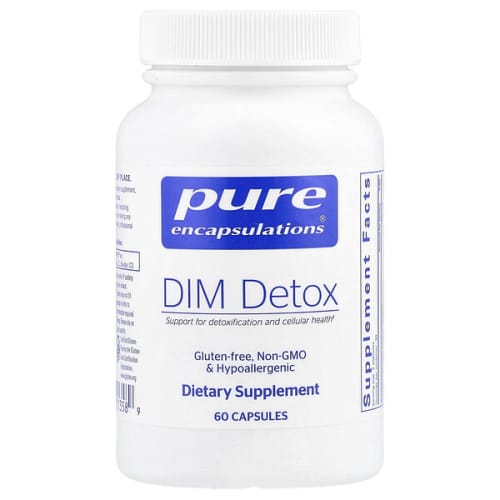
Pure Encapsulations DIM Detox
Recommended
Pure Encapsulations, DIM
100 mg · Morning · ~$26/month

suppdoc.io is an affiliate. Links may earn us a commission at no extra cost to you.

All product options
Pure Encapsulations DIM DetoxBestseller
DIM Detox
Pure Encapsulations
60 capsules · $38 · ★ 4.7
Buy on iHerb →Buy on Amazon →
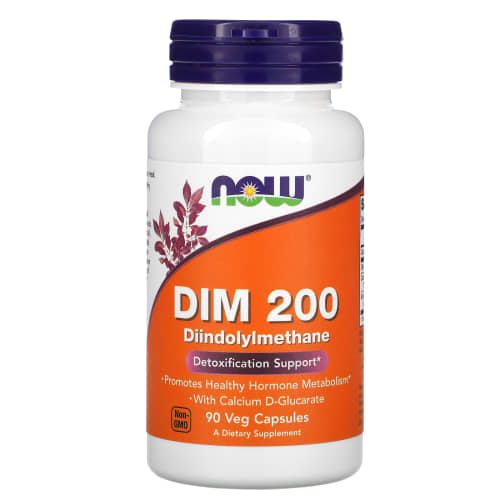
NOW Foods DIM 200 mgBestseller
DIM 200 mg
NOW Foods
90 veg caps · $18 · ★ 4.6
Buy on iHerb →
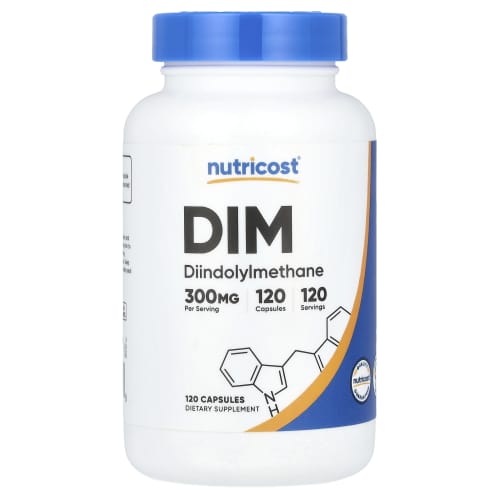
Nutricost DIMBest Value
DIM
Nutricost
120 capsules · $16 · ★ 4.5
Buy on iHerb →
Life Extension Optimized Broccoli + DIMPremium
Optimized Broccoli + DIM
Life Extension
30 veg caps · $22 · ★ 4.6
Buy on iHerb →

What is DIM?

Diindolylmethane (DIM) is a bioactive compound formed in the stomach when indole-3-carbinol from cruciferous vegetables, broccoli, kale, cauliflower, cabbage, is exposed to gastric acid. You would need to eat about 2 pounds of broccoli to get the equivalent of a typical DIM supplement. DIM modulates estrogen metabolism by shifting the balance toward the favorable 2-hydroxyestrone pathway and away from the less-desirable 16-hydroxyestrone pathway. This affects both women (PMS, cyclical breast tenderness, estrogen dominance) and men (where excess estrogen can disrupt the testosterone-to-estrogen ratio). Standard dose is 100-200 mg per day with food.

Active compound concentrated from cruciferous vegetables. Supports favorable 2:16 ratio of estrogen metabolites, relevant for both women and men.

Natural food sources

Where possible, get DIM from whole foods first. Common dietary sources include:

BroccoliCauliflowerCabbageKaleBrussels sprouts

Best for your goal

Other hormonal support

Inositol (Myo + D-Chiro 40:1)
PCOS · hormonal balance · mood
Tongkat Ali (Eurycoma)
Testosterone · libido · stress resilience
Maca Root (Black + Red + Yellow)
Libido · energy · hormonal balance
Fenugreek (Testofen)
Free testosterone · libido (male)

Common questions

What is DIM?
Diindolylmethane (DIM) is a bioactive compound formed in the stomach when indole-3-carbinol from cruciferous vegetables, broccoli, kale, cauliflower, cabbage, is exposed to gastric acid. You would need to eat about 2 pounds of broccoli to get the equivalent of a typical DIM supplement. DIM modulates estrogen metabolism by shifting the balance toward the favorable 2-hydroxyestrone pathway and away from the less-desirable 16-hydroxyestrone pathway. This affects both women (PMS, cyclical breast tenderness, estrogen dominance) and men (where excess estrogen can disrupt the testosterone-to-estrogen ratio). Standard dose is 100-200 mg per day with food.
What is DIM used for?
Estrogen metabolism · hormonal balance. Active compound concentrated from cruciferous vegetables. Supports favorable 2:16 ratio of estrogen metabolites, relevant for both women and men.
What is the standard dose of DIM?
100 mg, typically taken in the morning. Approximate cost is $26 per month.
Who should avoid DIM?
Use extra caution, and speak to a clinician first, if you are pregnant or nursing.
How strong is the evidence for DIM?
Moderate evidence for its primary uses. See the full study list on the research page.

Not sure if DIM is right for you?

Take our quiz. We'll compose a personalised stack that fits your goals, body, and budget, in minutes.

Take the quiz →