Home/Ingredients/Lutein + Zeaxanthin

Lutein + Zeaxanthin

Eye · macula · blue-light defense

Strong evidenceVegan474 studies on PubMedRead the research
Written to our editorial standards · reviewed against published research· Updated 30 May 2026
Last reviewed: May 30, 2026

Lutein + Zeaxanthin: Eye · macula · blue-light defense. The macular pigments. Filter high-energy blue light and protect central vision over decades. Standard dose 20 mg / 4 mg, taken in the morning, about $18/month. Evidence rating: strong evidence.

Where to buy

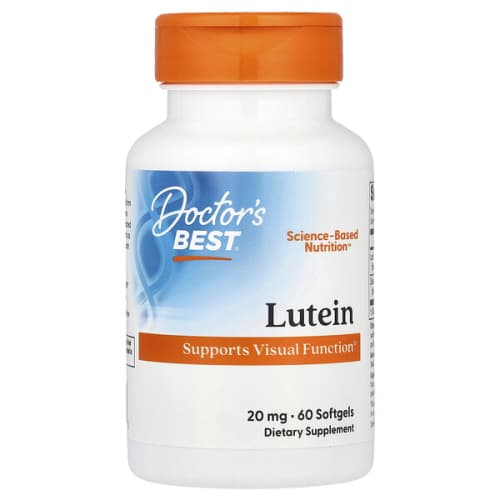
Doctor's Best Lutein with FloraGlo 20mg
Recommended
Doctor's Best, Lutein + Zeaxanthin
20 mg / 4 mg · Morning · ~$18/month

suppdoc.io is an affiliate. Links may earn us a commission at no extra cost to you.

All product options
Doctor's Best Lutein with FloraGlo 20mgBestseller
Lutein with FloraGlo 20mg
Doctor's Best
60 veg softgels · $18 · ★ 4.8
Buy on iHerb →Buy on Amazon →
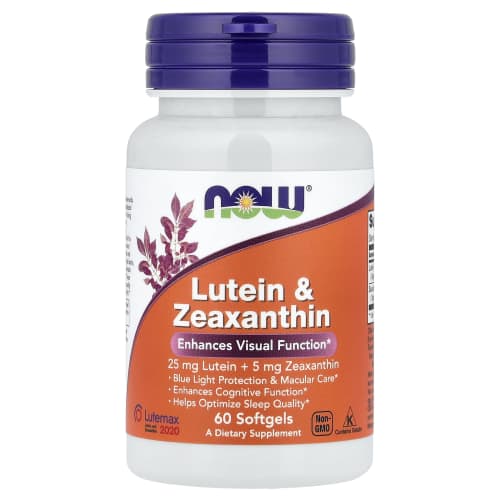
NOW Foods Lutein & ZeaxanthinBestseller
Lutein & Zeaxanthin
NOW Foods
90 veg caps · $18 · ★ 4.7
Buy on iHerb →
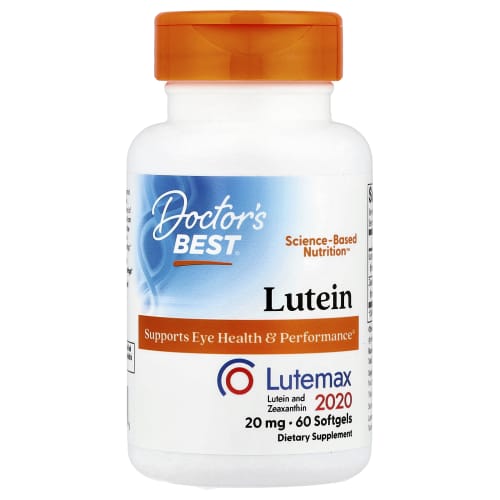
Doctor's Best Lutein with LutemaxBest Value
Lutein with Lutemax
Doctor's Best
60 softgels · $16 · ★ 4.6
Buy on iHerb →
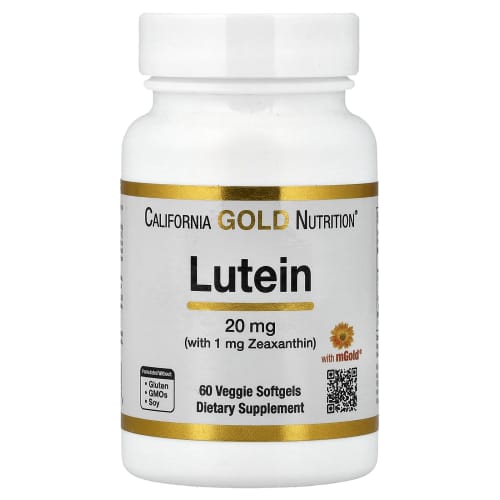
Jarrow Formulas LuteinPremium
Lutein
Jarrow Formulas
60 softgels · $17 · ★ 4.6
Buy on iHerb →
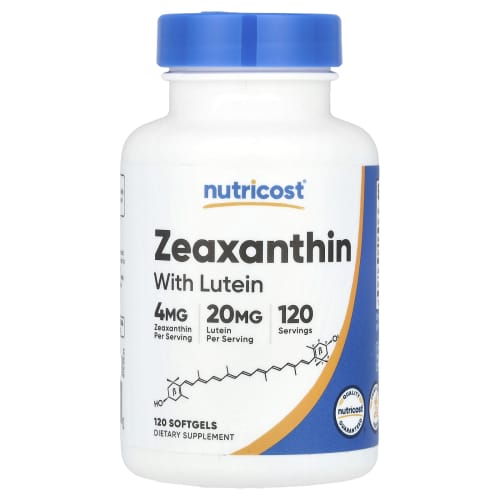
Nutricost Lutein & ZeaxanthinPremium
Lutein & Zeaxanthin
Nutricost
120 capsules · $19 · ★ 4.5
Buy on iHerb →

What is Lutein + Zeaxanthin?

Lutein and zeaxanthin are the two carotenoids that selectively accumulate in the macula, the central, high-resolution part of the retina. They function as a built-in 'eye sunscreen,' absorbing high-energy blue light from the sun, screens, and indoor lighting that would otherwise damage delicate photoreceptors. Higher macular pigment density is associated with sharper contrast sensitivity, reduced glare, and a lower long-term risk of age-related macular degeneration. The AREDS2 study established 10 mg lutein and 2 mg zeaxanthin as the clinical reference dose. Many modern supplements provide 20 mg lutein and 4 mg zeaxanthin for screen-heavy lifestyles.

The macular pigments. Filter high-energy blue light and protect central vision over decades.

Natural food sources

Where possible, get Lutein + Zeaxanthin from whole foods first. Common dietary sources include:

KaleSpinachEgg yolksCornBell peppers

Best for your goal

Interactions

Other antioxidants

Curcumin (with BioPerine)
Inflammation · joint · recovery
CoQ10 (Ubiquinol)
Cellular energy · heart
Alpha-Lipoic Acid (ALA)
Antioxidant · blood sugar · nerve health
Quercetin (with Bromelain)
Immune · allergies · circulation

Common questions

What is Lutein + Zeaxanthin?
Lutein and zeaxanthin are the two carotenoids that selectively accumulate in the macula, the central, high-resolution part of the retina. They function as a built-in 'eye sunscreen,' absorbing high-energy blue light from the sun, screens, and indoor lighting that would otherwise damage delicate photoreceptors. Higher macular pigment density is associated with sharper contrast sensitivity, reduced glare, and a lower long-term risk of age-related macular degeneration. The AREDS2 study established 10 mg lutein and 2 mg zeaxanthin as the clinical reference dose. Many modern supplements provide 20 mg lutein and 4 mg zeaxanthin for screen-heavy lifestyles.
What is Lutein + Zeaxanthin used for?
Eye · macula · blue-light defense. The macular pigments. Filter high-energy blue light and protect central vision over decades.
What is the standard dose of Lutein + Zeaxanthin?
20 mg / 4 mg, typically taken in the morning. Approximate cost is $18 per month.
How strong is the evidence for Lutein + Zeaxanthin?
Strong evidence for its primary uses. See the full study list on the research page.

Not sure if Lutein + Zeaxanthin is right for you?

Take our quiz. We'll compose a personalised stack that fits your goals, body, and budget, in minutes.

Take the quiz →