Home/Ingredients/Potassium Citrate
MINERALS

Potassium Citrate

Blood pressure · electrolyte balance

VERY STRONG EVIDENCEVEGANREAD THE RESEARCH
Written to our editorial standards · reviewed against published research· Updated 2 Jun 2026
Last reviewed: May 30, 2026
QUICK ANSWER

Potassium Citrate: Blood pressure · electrolyte balance. Most adults eat too little potassium. Adequate intake lowers blood pressure and counteracts excess sodium. Standard dose 99 mg elemental, taken in the morning, about $10/month. Evidence rating: very strong evidence.

What is Potassium Citrate?

Potassium is a major intracellular electrolyte essential for nerve signaling, muscle contraction (including the heart), and blood pressure regulation. The 4,700 mg/day recommended intake is met by fewer than 5% of US adults. Inadequate potassium relative to sodium contributes meaningfully to hypertension. Supplementing potassium to balance dietary sodium consistently lowers blood pressure in trials. By US law, single-supplement potassium doses are capped at 99 mg to prevent acute hyperkalemia, but multiple servings per day are safe for most. Avoid with kidney disease or potassium-sparing medications.

WHY IT MATTERS

Most adults eat too little potassium. Adequate intake lowers blood pressure and counteracts excess sodium.

Natural food sources

Where possible, get Potassium Citrate from whole foods first. Common dietary sources include:

BananasPotatoesBeansSpinachAvocado

Where to buy

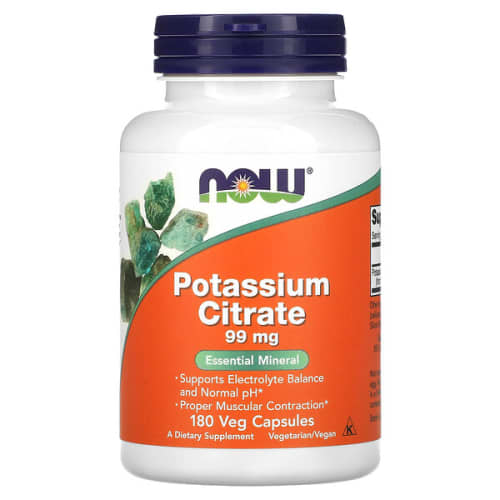
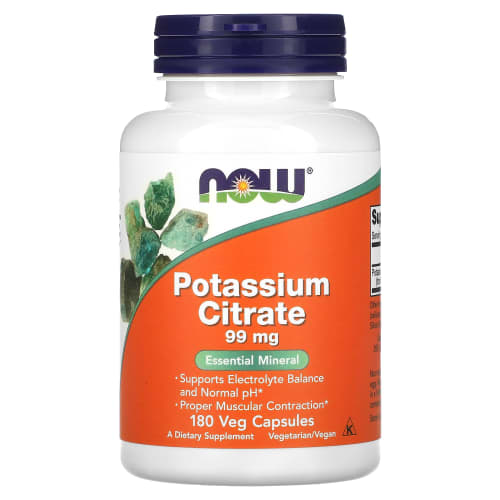
NOW Foods Potassium Citrate 99mg
RECOMMENDED
NOW Foods, Potassium Citrate
99 mg elemental · Morning · ~$10/month

suppdoc.io is an affiliate. Links may earn us a commission at no extra cost to you.

Best for your goal

Other minerals

Magnesium Glycinate
Sleep · stress · muscle relaxation
Zinc Picolinate
Immune · hormones · skin
Iron Bisglycinate (Gentle)
Energy · oxygen transport (women)
Magnesium Citrate
Constipation · general magnesium · cramps

Common questions

What is Potassium Citrate?
Potassium is a major intracellular electrolyte essential for nerve signaling, muscle contraction (including the heart), and blood pressure regulation. The 4,700 mg/day recommended intake is met by fewer than 5% of US adults. Inadequate potassium relative to sodium contributes meaningfully to hypertension. Supplementing potassium to balance dietary sodium consistently lowers blood pressure in trials. By US law, single-supplement potassium doses are capped at 99 mg to prevent acute hyperkalemia, but multiple servings per day are safe for most. Avoid with kidney disease or potassium-sparing medications.
What is Potassium Citrate used for?
Blood pressure · electrolyte balance. Most adults eat too little potassium. Adequate intake lowers blood pressure and counteracts excess sodium.
What is the standard dose of Potassium Citrate?
99 mg elemental, typically taken in the morning. Approximate cost is $10 per month.
Who should avoid Potassium Citrate?
Use extra caution, and speak to a clinician first, if you are kidney-disease.
How strong is the evidence for Potassium Citrate?
Very strong evidence for its primary uses. See the full study list on the research page.

Not sure if Potassium Citrate is right for you?

Take our quiz. We'll compose a personalised stack that fits your goals, body, and budget, in minutes.

Take the quiz →