Supplements for seasonal low mood (winter blues)
Mood and energy that dip in the darker months are strongly linked to low vitamin D; testing and correcting it is the key step.
Vitamin D is made in the skin from sunlight, so levels fall in winter at higher latitudes exactly when seasonal low mood appears, and the two are repeatedly linked. Omega-3 supports mood through the year, and morning light exposure is a powerful non-supplement lever.
Nutrients commonly linked
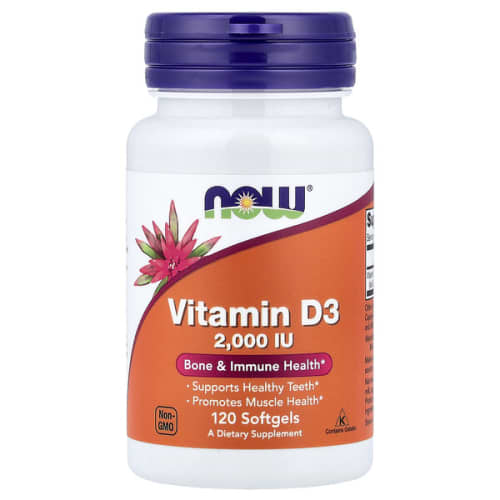
suppdoc.io is an affiliate. Links may earn us a commission at no extra cost to you. We don't sell our own supplements.
Biomarkers worth checking
These are the blood tests most relevant here. Knowing your numbers tells you whether a supplement is the right answer.
If winter low mood is severe or recurs every year and affects your functioning, ask a doctor about seasonal affective disorder and light therapy.
Get outside in the morning, use a light box if needed, and keep exercise and social plans through winter.
Common questions
Explore further
More mood & stress symptoms
Find out what's actually low
Upload your bloodwork and we'll read the relevant markers, or take the quiz for a personalised stack.
Educational use only, not medical advice, diagnosis, or treatment. Symptoms have many possible causes, and the nutrients here are commonly associated with this symptom, not a guaranteed fix. Always consult a qualified clinician, especially if symptoms are severe, persistent, or new.