Vitamin D (25-OH): what it means.
Common causes
- Limited sun exposure, especially in winter or at northern latitudes
- Darker skin, which needs more sun to make vitamin D
- Older age and less efficient skin synthesis
- Higher body fat, which sequesters vitamin D
- Malabsorption (celiac, Crohn's, gastric surgery)
What it can feel like
- Fatigue and low mood
- Frequent infections
- Bone aches or muscle weakness
- Hair thinning
Who should test
Worth testing if you get little sun, have darker skin, feel persistently run down, or have a bone-health concern. Many clinicians retest 8 to 12 weeks after starting a supplement.
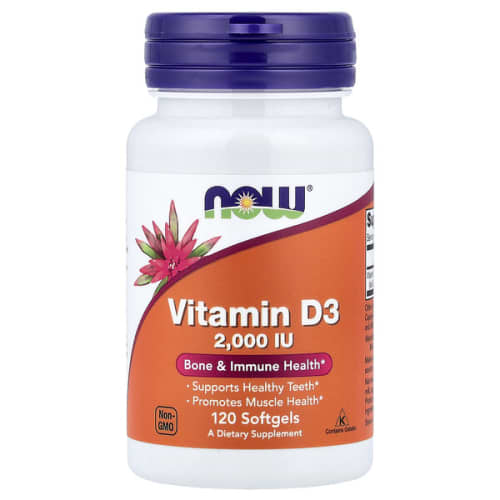
Supplements that help raise Vitamin D (25-OH)
Evidence-led, and only a piece of the picture, diet, lifestyle, and your clinician matter most.
Vitamin D3 raises blood 25-OH-D more reliably than D2, and pairing it with vitamin K2 helps direct the resulting calcium into bone rather than soft tissue.
suppdoc.io is an affiliate. Links may earn us a commission at no extra cost to you. We don't sell our own supplements.
See your own Vitamin D (25-OH)
Upload your blood test, we read vitamin d (25-oh) and your other markers, then match evidence-led supplements.
Analyze my bloodwork →Explore further
Best for your goal
Research-backed stacks
Related biomarkers
Common questions
Educational use only, not medical advice or diagnosis. Always interpret lab results with a qualified clinician.