Vitamin B12: what it means.
Written to our editorial standards · reviewed against published research· Updated 27 Jun 2026
Typical reference bands (pg/mL)
Lowunder 300 pg/mL
Borderline low300-400 pg/mL
Optimal500-900 pg/mL
Highover 1100 pg/mL
Ranges vary by laboratory, age, and sex, your lab's own reference range always takes precedence.
Common causes
- A plant-based diet, since B12 is found mainly in animal foods
- Older age and reduced stomach acid
- Long-term metformin or acid-reducing medication
- Pernicious anemia or gut malabsorption
What it can feel like
- Fatigue and brain fog
- Tingling or numbness in the hands and feet
- Low mood
- A sore, smooth tongue
Who should test
Important for vegans and vegetarians, adults over 50, and anyone on metformin or long-term antacids. Nerve symptoms warrant prompt medical review.
Supplements that help raise Vitamin B12
Evidence-led, and only a piece of the picture, diet, lifestyle, and your clinician matter most.
Methylcobalamin, often within a B-complex, restores B12 and the B-vitamins it works with; sublingual or higher oral doses bypass weak stomach-acid absorption.
Shop the top pick for vitamin b12
Recommended
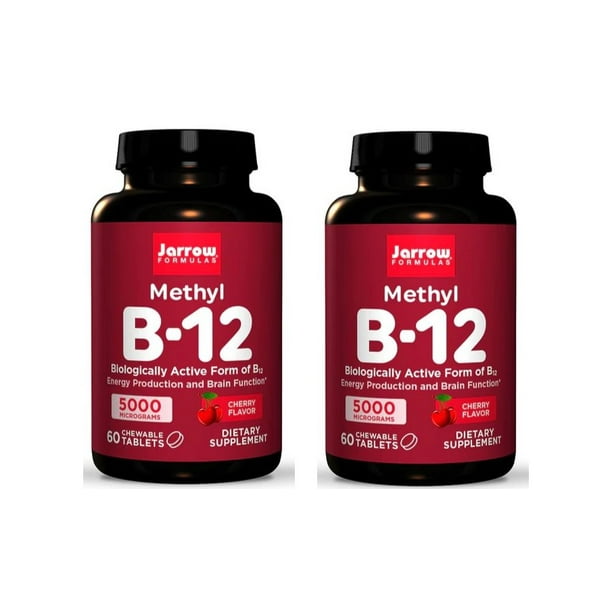
Jarrow Formulas, Methyl B-12 1000mcg
100 lozenges · ~$12 · ★ 4.8
suppdoc.io is an affiliate. Links may earn us a commission at no extra cost to you. We don't sell our own supplements.
See your own Vitamin B12
Upload your blood test, we read vitamin b12 and your other markers, then match evidence-led supplements.
Analyze my bloodwork →Explore further
Research-backed stacks
Related biomarkers
Common questions
What does a low Vitamin B12 mean?
Common drivers include a plant-based diet, since B12 is found mainly in animal foods; older age and reduced stomach acid; long-term metformin or acid-reducing medication. A result outside the optimal range is best read in context: discuss it with your clinician, who can weigh the full picture and your lab's own reference range.
What supplements help raise Vitamin B12?
Evidence-led options include Methyl-B12, B-Complex. They support, but don't replace, diet, lifestyle, and medical care.
Educational use only, not medical advice or diagnosis. Always interpret lab results with a qualified clinician.