Supplements for low mood
Low mood is commonly associated with low vitamin D, omega-3, B12, and folate; these support the brain chemistry behind mood regulation.
Vitamin D receptors sit throughout the brain and low levels are repeatedly linked to low mood, especially in darker months. The omega-3 EPA is the form studied for mood, and B12 and folate are needed to make serotonin and to keep homocysteine, which is associated with depression, in range.
Nutrients commonly linked
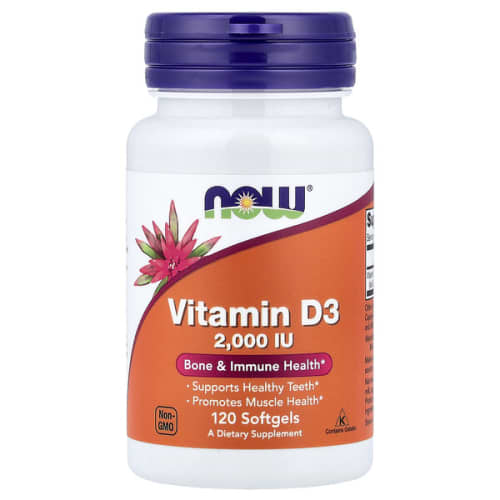
suppdoc.io is an affiliate. Links may earn us a commission at no extra cost to you. We don't sell our own supplements.
Biomarkers worth checking
These are the blood tests most relevant here. Knowing your numbers tells you whether a supplement is the right answer.
If low mood lasts more than two weeks, affects daily life, or includes thoughts of self-harm, contact a doctor or a crisis line now. Supplements are not a substitute for care.
Daylight, exercise, sleep, and social connection have strong evidence for mood and pair well with addressing any deficiency.
Common questions
Explore further
More mood & stress symptoms
Find out what's actually low
Upload your bloodwork and we'll read the relevant markers, or take the quiz for a personalised stack.
Educational use only, not medical advice, diagnosis, or treatment. Symptoms have many possible causes, and the nutrients here are commonly associated with this symptom, not a guaranteed fix. Always consult a qualified clinician, especially if symptoms are severe, persistent, or new.