Home/Ingredients/Chamomile (German)
SLEEP & RELAXATION

Chamomile (German)

Calm · sleep · digestion

MODERATE EVIDENCEVEGANREAD THE RESEARCH
Written to our editorial standards · reviewed against published research· Updated 5 Jun 2026
Last reviewed: May 30, 2026
QUICK ANSWER

Chamomile: Calm · sleep · digestion. A gentle calming herb whose apigenin binds relaxation receptors, used for mild anxiety, sleep, and digestion. Standard dose 400-500 mg, taken in the evening, about $11/month. Evidence rating: moderate evidence.

Where to buy

NOWFOODSChamomile90 VEG CAPSDIETARY SUPP.
RECOMMENDED
NOW Foods, Chamomile
400-500 mg · Evening · ~$11/month

suppdoc.io is an affiliate. Links may earn us a commission at no extra cost to you.

All product options

NOWFOODSChamomile90 VEG CAPSDIETARY SUPP.BESTSELLER
Chamomile
NOW Foods
90 veg caps · $11 · ★ 4.7
Buy on iHerb →Buy on Amazon →
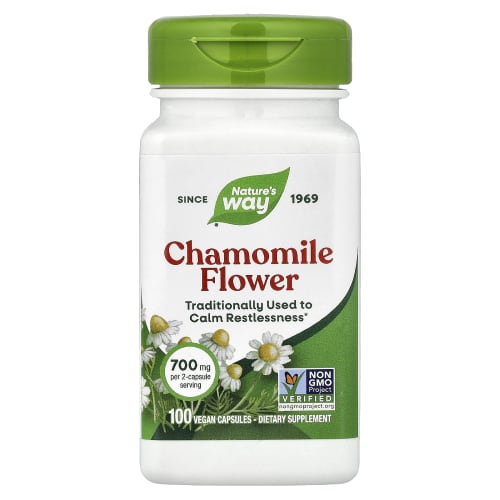
NATURE'SWAYChamomile100 VEG CAPSDIETARY SUPP.BEST VALUE
Chamomile
Nature's Way
100 veg caps · $10 · ★ 4.6
Buy on iHerb →Buy on Amazon →
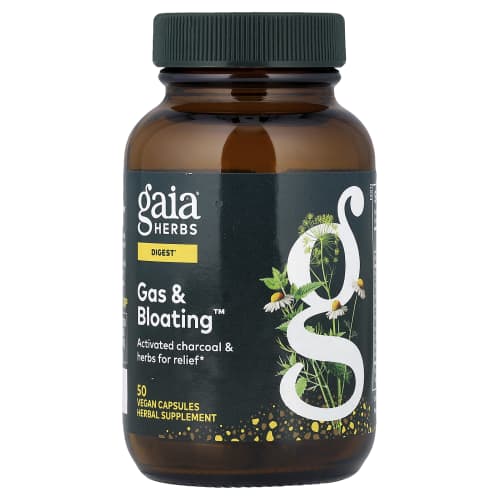
GAIAHERBSChamomile60 CAPSULESDIETARY SUPP.PREMIUM
Chamomile
Gaia Herbs
60 capsules · $16 · ★ 4.6
Buy on iHerb →Buy on Amazon →
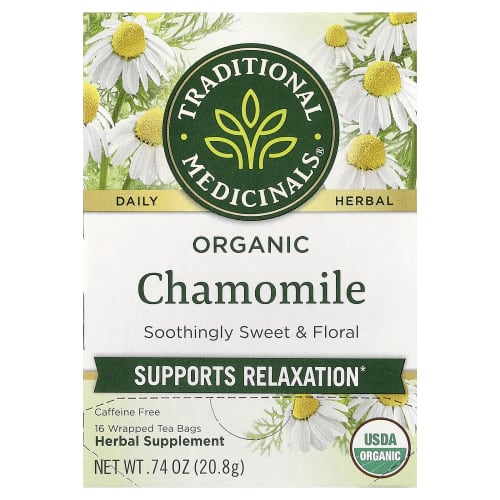
TRADITIONALMEDICINALSChamomile Tea16 TEA BAGSDIETARY SUPP.PREMIUM
Chamomile Tea
Traditional Medicinals
16 tea bags · $5 · ★ 4.8
Buy on iHerb →Buy on Amazon →

What is Chamomile?

Chamomile (Matricaria recutita) is among the gentlest and oldest calming herbs. Its flavonoid apigenin binds to the same brain receptors as mild anti-anxiety medication, which underpins its traditional use for nervous tension, winding down before bed, and an upset stomach. Modest clinical trials show standardized chamomile extract can reduce symptoms of generalized anxiety and improve sleep quality, while the tea is a soothing low-dose option. It is very well tolerated. People with ragweed allergy should be cautious, and high doses are best avoided alongside blood thinners. Extracts standardized to apigenin, around 400 to 500 mg in the evening, are typical.

WHY IT MATTERS

A gentle calming herb whose apigenin binds relaxation receptors, used for mild anxiety, sleep, and digestion.

Natural food sources

Where possible, get Chamomile from whole foods first. Common dietary sources include:

Chamomile tea

Best for your goal

Other sleep & relaxation

Melatonin (Low-Dose)
Sleep onset · jet lag · circadian rhythm
5-HTP (Griffonia Seed)
Mood · sleep · serotonin precursor
Valerian Root
Sleep onset · mild anxiety

Common questions

What is Chamomile?
Chamomile (Matricaria recutita) is among the gentlest and oldest calming herbs. Its flavonoid apigenin binds to the same brain receptors as mild anti-anxiety medication, which underpins its traditional use for nervous tension, winding down before bed, and an upset stomach. Modest clinical trials show standardized chamomile extract can reduce symptoms of generalized anxiety and improve sleep quality, while the tea is a soothing low-dose option. It is very well tolerated. People with ragweed allergy should be cautious, and high doses are best avoided alongside blood thinners. Extracts standardized to apigenin, around 400 to 500 mg in the evening, are typical.
What is Chamomile used for?
Calm · sleep · digestion. A gentle calming herb whose apigenin binds relaxation receptors, used for mild anxiety, sleep, and digestion.
What is the standard dose of Chamomile?
400-500 mg, typically taken in the evening. Approximate cost is $11 per month.
How strong is the evidence for Chamomile?
Moderate evidence for its primary uses. See the full study list on the research page.

Not sure if Chamomile is right for you?

Take our quiz. We'll compose a personalised stack that fits your goals, body, and budget, in minutes.

Take the quiz →