Home/Ingredients/Melatonin (Low-Dose)
SLEEP & RELAXATION

Melatonin (Low-Dose)

Sleep onset · jet lag · circadian rhythm

STRONG EVIDENCEVEGANREAD THE RESEARCH
Written to our editorial standards · reviewed against published research· Updated 2 Jun 2026
Last reviewed: May 30, 2026
QUICK ANSWER

Melatonin: Sleep onset · jet lag · circadian rhythm. The body's master sleep hormone. Low physiological doses (0.3-0.5 mg) outperform high doses for sleep onset. Standard dose 0.3-0.5 mg, taken in the evening, about $7/month. Evidence rating: strong evidence.

What is Melatonin?

Melatonin is the hormone produced by the pineal gland that signals darkness to the body and initiates the sleep cycle. While commercial supplements often contain 3-10 mg, research consistently shows that low physiological doses of 0.3-0.5 mg are equally or more effective for sleep onset, with fewer next-day side effects like grogginess and vivid dreams. Melatonin is particularly useful for jet lag, shift work, and delayed sleep phase. It is best taken 30-60 minutes before bedtime. Long-term, low-dose use also shows promise for antioxidant and longevity-related benefits, though chronic high-dose use is not recommended.

WHY IT MATTERS

The body's master sleep hormone. Low physiological doses (0.3-0.5 mg) outperform high doses for sleep onset.

Natural food sources

Where possible, get Melatonin from whole foods first. Common dietary sources include:

Tart cherriesPistachiosWalnutsGoji berries

Where to buy

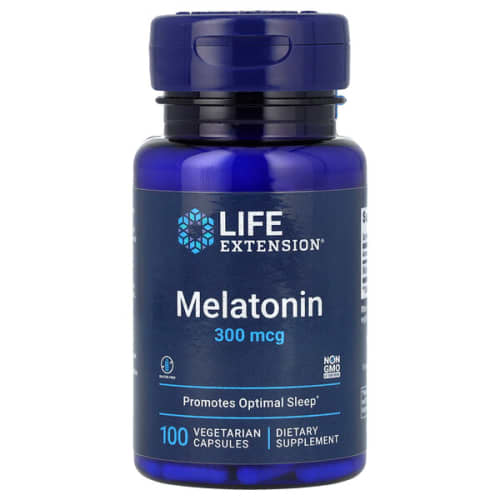
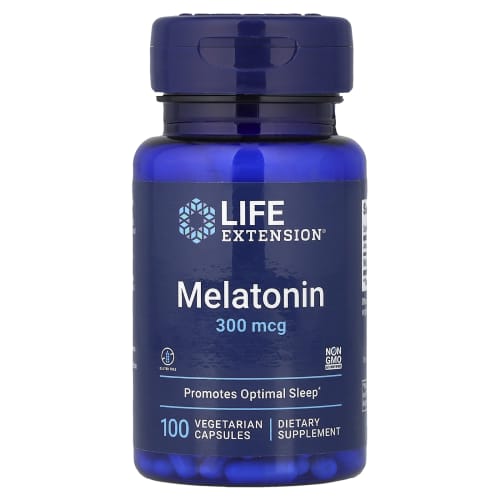
Life Extension Melatonin 300mcg
RECOMMENDED
Life Extension, Melatonin
0.3-0.5 mg · Evening · ~$7/month

suppdoc.io is an affiliate. Links may earn us a commission at no extra cost to you.

Stacks that include Melatonin

The Sleep Stack
Deeper sleep, fewer trips to the bathroom.

Best for your goal

Interactions

Other sleep & relaxation

5-HTP (Griffonia Seed)
Mood · sleep · serotonin precursor
Valerian Root
Sleep onset · mild anxiety

Common questions

What is Melatonin?
Melatonin is the hormone produced by the pineal gland that signals darkness to the body and initiates the sleep cycle. While commercial supplements often contain 3-10 mg, research consistently shows that low physiological doses of 0.3-0.5 mg are equally or more effective for sleep onset, with fewer next-day side effects like grogginess and vivid dreams. Melatonin is particularly useful for jet lag, shift work, and delayed sleep phase. It is best taken 30-60 minutes before bedtime. Long-term, low-dose use also shows promise for antioxidant and longevity-related benefits, though chronic high-dose use is not recommended.
What is Melatonin used for?
Sleep onset · jet lag · circadian rhythm. The body's master sleep hormone. Low physiological doses (0.3-0.5 mg) outperform high doses for sleep onset.
What is the standard dose of Melatonin?
0.3-0.5 mg, typically taken in the evening. Approximate cost is $7 per month.
Who should avoid Melatonin?
Use extra caution, and speak to a clinician first, if you are pregnant or nursing, autoimmune condition.
How strong is the evidence for Melatonin?
Strong evidence for its primary uses. See the full study list on the research page.

Not sure if Melatonin is right for you?

Take our quiz. We'll compose a personalised stack that fits your goals, body, and budget, in minutes.

Take the quiz →