Home/Ingredients/Lycopene (Tomato Extract)
ANTIOXIDANTS

Lycopene (Tomato Extract)

Prostate · heart · antioxidant

MODERATE EVIDENCEREAD THE RESEARCH486 CLINICAL STUDIES
Written to our editorial standards · reviewed against published research· Updated 5 Jun 2026
Last reviewed: May 30, 2026
QUICK ANSWER

Lycopene: Prostate · heart · antioxidant. A red carotenoid from tomatoes with antioxidant activity studied for prostate and cardiovascular health. Standard dose 10-20 mg, taken in the morning, about $14/month. Evidence rating: moderate evidence.

Where to buy

JARROWFORMULASLycopene60 SOFTGELSDIETARY SUPP.
RECOMMENDED
Jarrow Formulas, Lycopene
10-20 mg · Morning · ~$14/month

suppdoc.io is an affiliate. Links may earn us a commission at no extra cost to you.

All product options
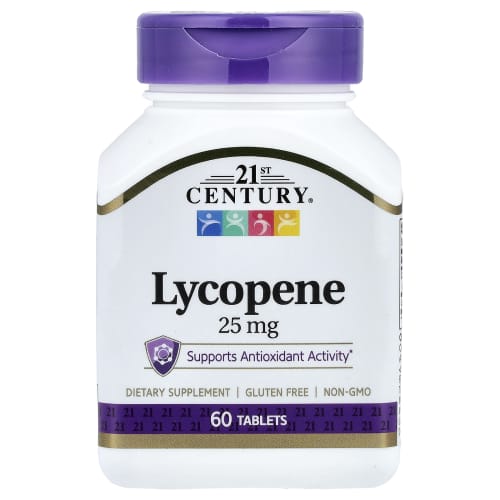
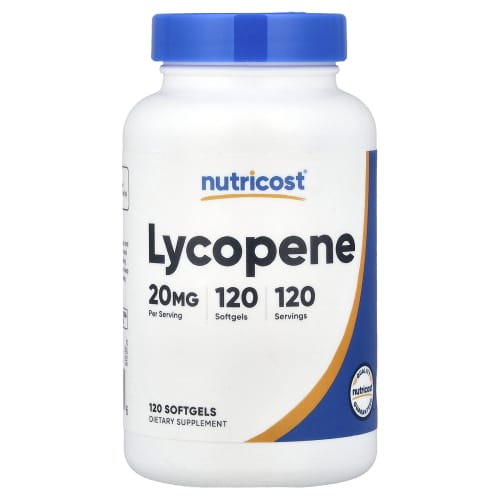
JARROWFORMULASLycopene60 SOFTGELSDIETARY SUPP.BESTSELLER
Lycopene
Jarrow Formulas
60 softgels · $14 · ★ 4.6
Buy on iHerb →Buy on Amazon →
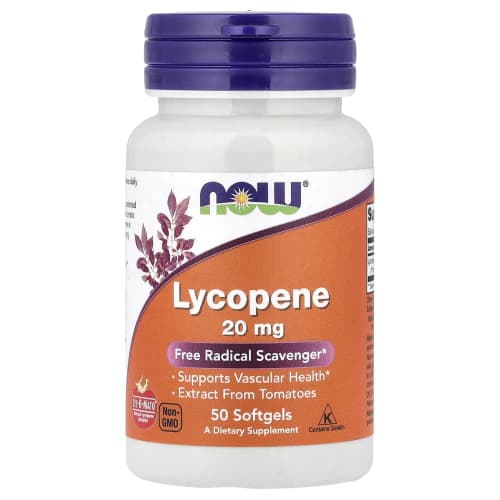
NOWFOODSLycopene 20 mg50 SOFTGELSDIETARY SUPP.BEST VALUE
Lycopene 20 mg
NOW Foods
50 softgels · $13 · ★ 4.6
Buy on iHerb →Buy on Amazon →
DOCTOR'SBESTLycopene60 SOFTGELSDIETARY SUPP.PREMIUM
Lycopene
Doctor's Best
60 softgels · $15 · ★ 4.6
Buy on iHerb →Buy on Amazon →
SOLGARLycopene30 SOFTGELSDIETARY SUPP.PREMIUM
Lycopene
Solgar
30 softgels · $16 · ★ 4.5
Buy on iHerb →Buy on Amazon →

What is Lycopene?

Lycopene is the pigment that makes tomatoes, watermelon, and pink grapefruit red. It is a potent carotenoid antioxidant that concentrates in the prostate and skin. Observational studies link higher lycopene intake to better prostate and cardiovascular health, and small trials suggest modest benefits for blood pressure and markers of prostate health, though results are not uniform. Interestingly, cooking tomatoes with a little oil makes lycopene far more absorbable than eating them raw. Supplements typically provide 10 to 20 mg, often as a tomato extract. It is best treated as an antioxidant that complements a tomato-rich diet rather than a standalone therapy.

WHY IT MATTERS

A red carotenoid from tomatoes with antioxidant activity studied for prostate and cardiovascular health.

Natural food sources

Where possible, get Lycopene from whole foods first. Common dietary sources include:

Cooked tomatoesTomato pasteWatermelonPink grapefruitGuava

Best for your goal

Other antioxidants

Curcumin (with BioPerine)
Inflammation · joint · recovery
CoQ10 (Ubiquinol)
Cellular energy · heart
Alpha-Lipoic Acid (ALA)
Antioxidant · blood sugar · nerve health
Quercetin (with Bromelain)
Immune · allergies · circulation

Common questions

What is Lycopene?
Lycopene is the pigment that makes tomatoes, watermelon, and pink grapefruit red. It is a potent carotenoid antioxidant that concentrates in the prostate and skin. Observational studies link higher lycopene intake to better prostate and cardiovascular health, and small trials suggest modest benefits for blood pressure and markers of prostate health, though results are not uniform. Interestingly, cooking tomatoes with a little oil makes lycopene far more absorbable than eating them raw. Supplements typically provide 10 to 20 mg, often as a tomato extract. It is best treated as an antioxidant that complements a tomato-rich diet rather than a standalone therapy.
What is Lycopene used for?
Prostate · heart · antioxidant. A red carotenoid from tomatoes with antioxidant activity studied for prostate and cardiovascular health.
What is the standard dose of Lycopene?
10-20 mg, typically taken in the morning. Approximate cost is $14 per month.
How strong is the evidence for Lycopene?
Moderate evidence for its primary uses. See the full study list on the research page.

Not sure if Lycopene is right for you?

Take our quiz. We'll compose a personalised stack that fits your goals, body, and budget, in minutes.

Take the quiz →