Home/Ingredients/Resveratrol (Trans)

Resveratrol (Trans)

Longevity · circulation · antioxidant

Moderate evidenceVegan576 studies on PubMedRead the research
Written to our editorial standards · reviewed against published research· Updated 30 May 2026
Last reviewed: May 30, 2026

Resveratrol: Longevity · circulation · antioxidant. Polyphenol from grapes and Japanese knotweed that activates longevity pathways (sirtuins) and supports cardiovascular health. Standard dose 500 mg trans-resveratrol, taken in the morning, about $28/month. Evidence rating: moderate evidence.

Where to buy

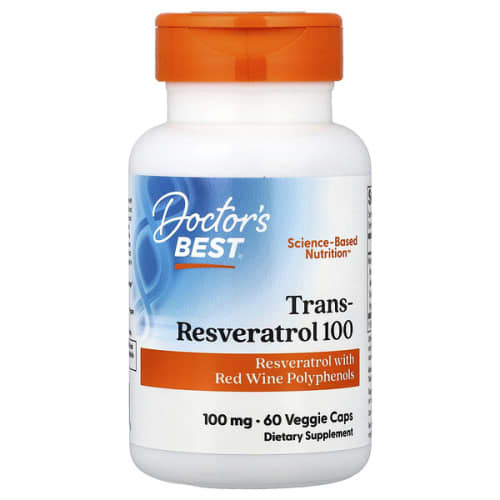
Doctor's Best Trans-Resveratrol 100mg
Recommended
Doctor's Best, Resveratrol
500 mg trans-resveratrol · Morning · ~$28/month

suppdoc.io is an affiliate. Links may earn us a commission at no extra cost to you.

All product options
Doctor's Best Trans-Resveratrol 100mgBestseller
Trans-Resveratrol 100mg
Doctor's Best
60 veg capsules · $18 · ★ 4.7
Buy on iHerb →Buy on Amazon →
Nutricost Resveratrol 600 mgBest Value
Resveratrol 600 mg
Nutricost
120 caps · $20 · ★ 4.5
Buy on iHerb →
Swanson Resveratrol 600 mgPremium
Resveratrol 600 mg
Swanson
120 caps · $17 · ★ 4.5
Buy on iHerb →
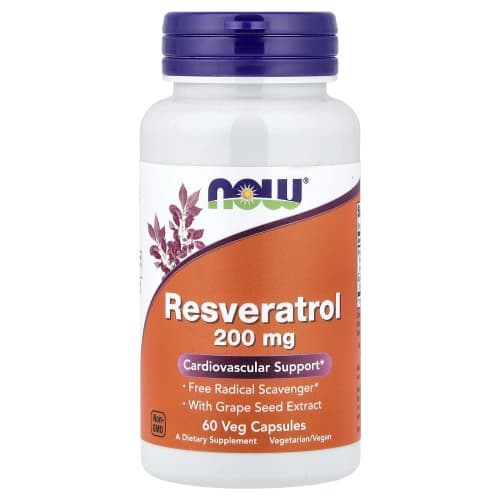
NOW Foods Natural Resveratrol 200 mgBest Value
Natural Resveratrol 200 mg
NOW Foods
120 veg caps · $20 · ★ 4.7
Buy on iHerb →
Jarrow Formulas Resveratrol 100 mgPremium
Resveratrol 100 mg
Jarrow Formulas
60 veg caps · $16 · ★ 4.7
Buy on iHerb →

What is Resveratrol?

Resveratrol is a polyphenol concentrated in the skins of red grapes, Japanese knotweed, and a handful of berries. Made famous by the 'French paradox', the observation that red-wine drinkers had unexpectedly low rates of heart disease, it has since become one of the most-studied longevity compounds. Resveratrol activates sirtuins (SIRT1 in particular), a family of enzymes that regulate metabolism and cellular repair. Research suggests benefits for endothelial function, blood pressure, and oxidative stress markers. Most supplements provide 250-500 mg of trans-resveratrol (the bioactive isomer) per day, often paired with a fat-containing meal for absorption.

Polyphenol from grapes and Japanese knotweed that activates longevity pathways (sirtuins) and supports cardiovascular health.

Natural food sources

Where possible, get Resveratrol from whole foods first. Common dietary sources include:

Red grapesRed wineBlueberriesPeanuts

Best for your goal

Interactions

Other antioxidants

Curcumin (with BioPerine)
Inflammation · joint · recovery
CoQ10 (Ubiquinol)
Cellular energy · heart
Alpha-Lipoic Acid (ALA)
Antioxidant · blood sugar · nerve health
Quercetin (with Bromelain)
Immune · allergies · circulation

Common questions

What is Resveratrol?
Resveratrol is a polyphenol concentrated in the skins of red grapes, Japanese knotweed, and a handful of berries. Made famous by the 'French paradox', the observation that red-wine drinkers had unexpectedly low rates of heart disease, it has since become one of the most-studied longevity compounds. Resveratrol activates sirtuins (SIRT1 in particular), a family of enzymes that regulate metabolism and cellular repair. Research suggests benefits for endothelial function, blood pressure, and oxidative stress markers. Most supplements provide 250-500 mg of trans-resveratrol (the bioactive isomer) per day, often paired with a fat-containing meal for absorption.
What is Resveratrol used for?
Longevity · circulation · antioxidant. Polyphenol from grapes and Japanese knotweed that activates longevity pathways (sirtuins) and supports cardiovascular health.
What is the standard dose of Resveratrol?
500 mg trans-resveratrol, typically taken in the morning. Approximate cost is $28 per month.
How strong is the evidence for Resveratrol?
Moderate evidence for its primary uses. See the full study list on the research page.

Not sure if Resveratrol is right for you?

Take our quiz. We'll compose a personalised stack that fits your goals, body, and budget, in minutes.

Take the quiz →