Best time to take Vitamin D3 + K2
Take vitamin D3 and K2 with your largest fat-containing meal, usually in the morning.
Vitamins D3 and K2 are fat-soluble, so a meal containing fat dramatically improves how much you absorb. Many people take vitamin D earlier in the day because, for some, taking it late can interfere with sleep.
Take it with breakfast or lunch if either contains fat (eggs, avocado, oily fish, full-fat dairy, nuts). A larger weekly dose with a fatty meal also works if daily dosing is hard to remember.
Do not take it on an empty stomach or with a fat-free meal, you will absorb far less.
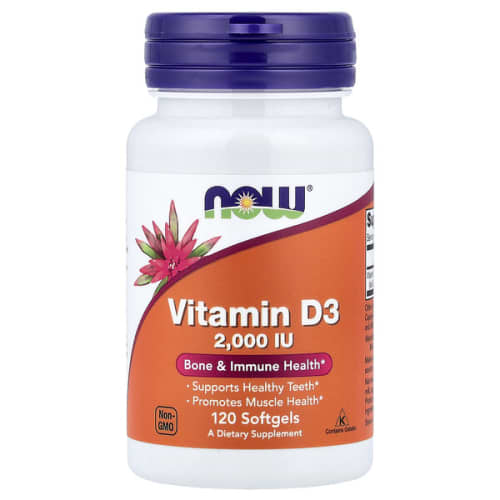
suppdoc.io is an affiliate. Links may earn us a commission at no extra cost to you. We don't sell our own supplements.
Common questions
Explore further
More timing guides
Vitamin D3 + K2 interactions
Best supplements for…
Related biomarkers
Build a stack with the timing built in
Answer a few questions and get a personalised stack, each pick with its dose, timing, and what to take it with.
Take the free quiz →Educational use only, not medical advice. The right timing and dose depend on your health, your other supplements, and any medications. Always consult a qualified clinician, especially if you take prescription drugs or are pregnant or nursing.