Fasting Glucose: what it means.
Written to our editorial standards · reviewed against published research· Updated 27 Jun 2026
Typical reference bands (mg/dL)
Optimalunder 90 mg/dL
Borderline100-126 mg/dL
Highover 126 mg/dL
Ranges vary by laboratory, age, and sex, your lab's own reference range always takes precedence.
Common causes
- Insulin resistance, often with excess fat around the middle
- Low activity and a refined-carb-heavy diet
- Poor sleep and chronic stress
- Family history
What it can feel like
- Often none early on
- Later: increased thirst, frequent urination, and fatigue
Who should test
Recommended with a family history, excess weight, or signs of metabolic syndrome. A fasting glucose of 100 to 125 mg/dL is the prediabetic range.
Supplements that help lower Fasting Glucose
Evidence-led, and only a piece of the picture, diet, lifestyle, and your clinician matter most.
Berberine, chromium, and alpha-lipoic acid support insulin sensitivity and glucose uptake, alongside the larger levers of diet, movement, and weight.
Shop the top pick for fasting glucose
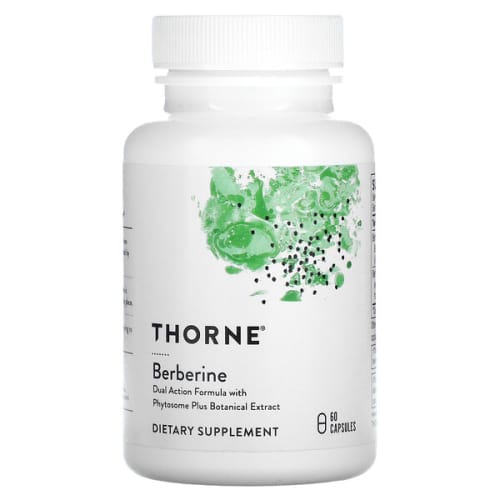
Recommended
Thorne, Berberine 500mg
60 capsules · ~$32 · ★ 4.7
suppdoc.io is an affiliate. Links may earn us a commission at no extra cost to you. We don't sell our own supplements.
See your own Fasting Glucose
Upload your blood test, we read fasting glucose and your other markers, then match evidence-led supplements.
Analyze my bloodwork →Explore further
Best for your goal
Related biomarkers
Common questions
What does a high Fasting Glucose mean?
Common drivers include insulin resistance, often with excess fat around the middle; low activity and a refined-carb-heavy diet; poor sleep and chronic stress. A result outside the optimal range is best read in context: discuss it with your clinician, who can weigh the full picture and your lab's own reference range.
What supplements help lower Fasting Glucose?
Evidence-led options include Berberine HCl, Chromium Picolinate, Alpha-Lipoic Acid. They support, but don't replace, diet, lifestyle, and medical care.
Educational use only, not medical advice or diagnosis. Always interpret lab results with a qualified clinician.