Home/Ingredients/Vitamin E (Mixed Tocopherols)
VITAMINS

Vitamin E (Mixed Tocopherols)

Antioxidant · skin · cardiovascular

MODERATE EVIDENCEVEGANREAD THE RESEARCH
Written to our editorial standards · reviewed against published research· Updated 2 Jun 2026
Last reviewed: May 30, 2026
QUICK ANSWER

Vitamin E: Antioxidant · skin · cardiovascular. Mixed tocopherols protect cell membranes from lipid peroxidation. Skip synthetic dl-alpha, always choose mixed natural forms. Standard dose 400 IU, taken in the morning, about $12/month. Evidence rating: moderate evidence.

What is Vitamin E?

Vitamin E refers to a family of eight fat-soluble compounds, four tocopherols and four tocotrienols. Of these, alpha-tocopherol is the form most actively retained by the body, but research increasingly suggests that the full spectrum of mixed tocopherols provides superior protection against lipid peroxidation in cell membranes. Synthetic dl-alpha-tocopherol (common in cheap supplements) is biologically inferior to the natural d-alpha and mixed forms. Vitamin E supports skin integrity, cardiovascular health, and immune function. Standard doses are 100-400 IU per day with a fat-containing meal. Higher doses may interfere with vitamin K and blood clotting.

WHY IT MATTERS

Mixed tocopherols protect cell membranes from lipid peroxidation. Skip synthetic dl-alpha, always choose mixed natural forms.

Natural food sources

Where possible, get Vitamin E from whole foods first. Common dietary sources include:

AlmondsSunflower seedsSpinachAvocadoOlive oil

Where to buy

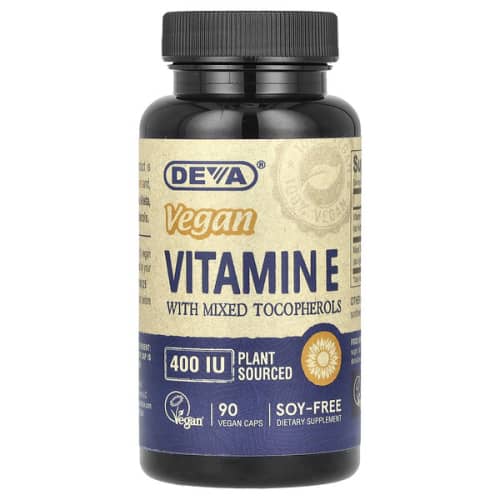
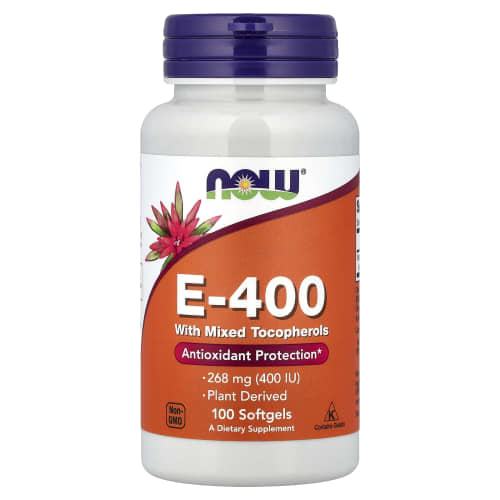
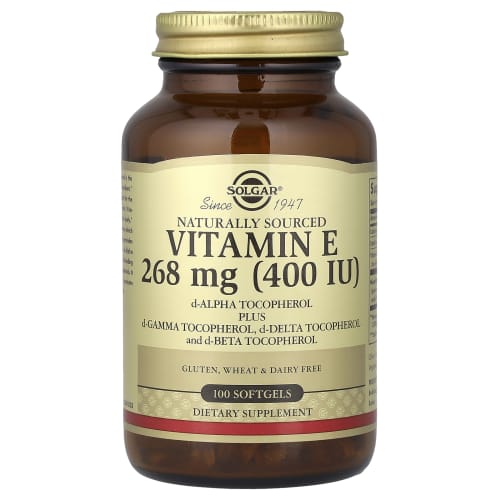
NOW Foods Vitamin E Mixed Tocopherols 400 IU
RECOMMENDED
Now Foods, Vitamin E
400 IU · Morning · ~$12/month

suppdoc.io is an affiliate. Links may earn us a commission at no extra cost to you.

Best for your goal

Interactions

Other vitamins

Vitamin D3 + K2
Energy · bone · immune
Whole-food Multivitamin
Baseline nutrition
Methyl-B12
Energy · nerves · cognition
B-Complex
Energy · stress · methylation

Common questions

What is Vitamin E?
Vitamin E refers to a family of eight fat-soluble compounds, four tocopherols and four tocotrienols. Of these, alpha-tocopherol is the form most actively retained by the body, but research increasingly suggests that the full spectrum of mixed tocopherols provides superior protection against lipid peroxidation in cell membranes. Synthetic dl-alpha-tocopherol (common in cheap supplements) is biologically inferior to the natural d-alpha and mixed forms. Vitamin E supports skin integrity, cardiovascular health, and immune function. Standard doses are 100-400 IU per day with a fat-containing meal. Higher doses may interfere with vitamin K and blood clotting.
What is Vitamin E used for?
Antioxidant · skin · cardiovascular. Mixed tocopherols protect cell membranes from lipid peroxidation. Skip synthetic dl-alpha, always choose mixed natural forms.
What is the standard dose of Vitamin E?
400 IU, typically taken in the morning. Approximate cost is $12 per month.
Who should avoid Vitamin E?
Use extra caution, and speak to a clinician first, if you are on blood thinners.
How strong is the evidence for Vitamin E?
Moderate evidence for its primary uses. See the full study list on the research page.

Not sure if Vitamin E is right for you?

Take our quiz. We'll compose a personalised stack that fits your goals, body, and budget, in minutes.

Take the quiz →