Ferritin: what it means.
Common causes
- Heavy menstrual periods
- Low dietary iron or a mostly plant-based diet
- Pregnancy
- Blood loss from the gut
- Poor absorption from low stomach acid or celiac disease
What it can feel like
- Fatigue and low stamina
- Hair shedding
- Pale skin
- Cold hands and feet
- Restless legs at night
- Breathlessness on exertion
Who should test
Especially useful for menstruating women, vegetarians, endurance athletes, and anyone with unexplained fatigue or hair loss. A high ferritin should be reviewed with a doctor, as it can reflect inflammation or iron overload.
Supplements that help raise Ferritin
Evidence-led, and only a piece of the picture, diet, lifestyle, and your clinician matter most.
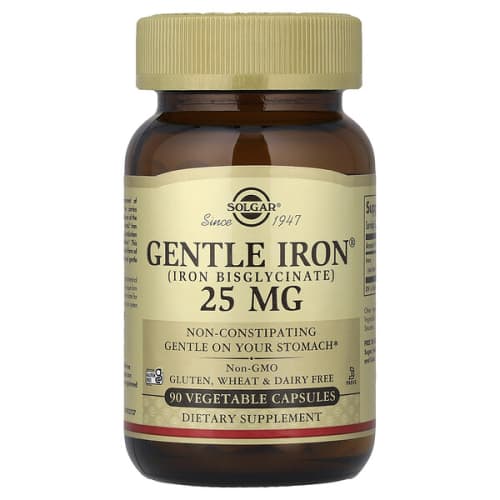
Iron bisglycinate is a gentle, well-absorbed form; taking it with vitamin C improves uptake, while coffee, tea, and calcium reduce it, so spacing matters.
suppdoc.io is an affiliate. Links may earn us a commission at no extra cost to you. We don't sell our own supplements.
See your own Ferritin
Upload your blood test, we read ferritin and your other markers, then match evidence-led supplements.
Analyze my bloodwork →Explore further
Best for your goal
Research-backed stacks
Related biomarkers
Common questions
Educational use only, not medical advice or diagnosis. Always interpret lab results with a qualified clinician.