hs-CRP: what it means.
Written to our editorial standards · reviewed against published research· Updated 27 Jun 2026
Typical reference bands (mg/L)
Optimalunder 1 mg/L
Borderline1-3 mg/L
Highover 3 mg/L
Ranges vary by laboratory, age, and sex, your lab's own reference range always takes precedence.
Common causes
- A recent infection or injury, which can transiently spike it
- Excess body fat
- Smoking
- Chronic low-grade or autoimmune inflammation
What it can feel like
- No direct symptoms; it is a risk marker rather than a sensation
Who should test
A cardiovascular and general-inflammation marker. Recheck when you are well, since a recent cold or injury can elevate it temporarily.
Supplements that help lower hs-CRP
Evidence-led, and only a piece of the picture, diet, lifestyle, and your clinician matter most.
Omega-3s and curcumin have anti-inflammatory evidence that can help lower hs-CRP, alongside weight, sleep, and not smoking.
Shop the top pick for hs-crp
Recommended
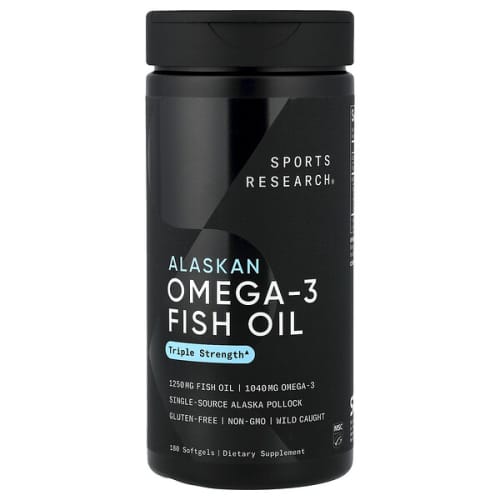
Sports Research, Alaskan Omega-3, Triple Strength
180 softgels · ~$24 · ★ 4.8
suppdoc.io is an affiliate. Links may earn us a commission at no extra cost to you. We don't sell our own supplements.
See your own hs-CRP
Upload your blood test, we read hs-crp and your other markers, then match evidence-led supplements.
Analyze my bloodwork →Explore further
Research-backed stacks
Related biomarkers
Common questions
What does a high hs-CRP mean?
Common drivers include a recent infection or injury, which can transiently spike it; excess body fat; smoking. A result outside the optimal range is best read in context: discuss it with your clinician, who can weigh the full picture and your lab's own reference range.
What supplements help lower hs-CRP?
Evidence-led options include Omega-3 Fish Oil, Curcumin. They support, but don't replace, diet, lifestyle, and medical care.
Educational use only, not medical advice or diagnosis. Always interpret lab results with a qualified clinician.