Supplements for brain fog
Brain fog is commonly associated with low vitamin B12, iron, vitamin D, or omega-3, and with thyroid and blood-sugar problems.
B12 and iron shortfalls slow the brain's oxygen and energy supply and are among the most common nutritional causes of a foggy, slow-thinking feeling. Low vitamin D and the omega-3 DHA, a core structural fat in the brain, are also linked to poorer mental clarity, and an underactive thyroid or swings in blood sugar can mimic the same symptom.
Nutrients commonly linked
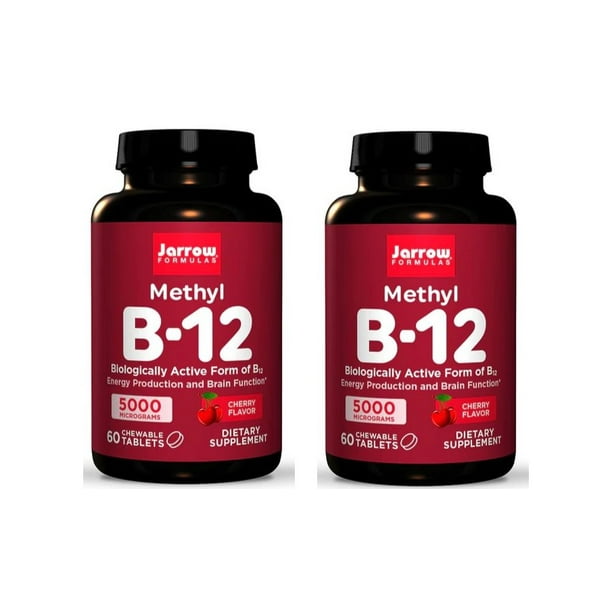
suppdoc.io is an affiliate. Links may earn us a commission at no extra cost to you. We don't sell our own supplements.
Biomarkers worth checking
These are the blood tests most relevant here. Knowing your numbers tells you whether a supplement is the right answer.
Get medical advice if brain fog is sudden, worsening, or comes with confusion, numbness, severe headaches, or trouble speaking, which need prompt assessment.
Sleep, hydration, lowering alcohol, and managing stress are first-line; nutrients help when one is genuinely low.
Common questions
Explore further
Find out what's actually low
Upload your bloodwork and we'll read the relevant markers, or take the quiz for a personalised stack.
Educational use only, not medical advice, diagnosis, or treatment. Symptoms have many possible causes, and the nutrients here are commonly associated with this symptom, not a guaranteed fix. Always consult a qualified clinician, especially if symptoms are severe, persistent, or new.